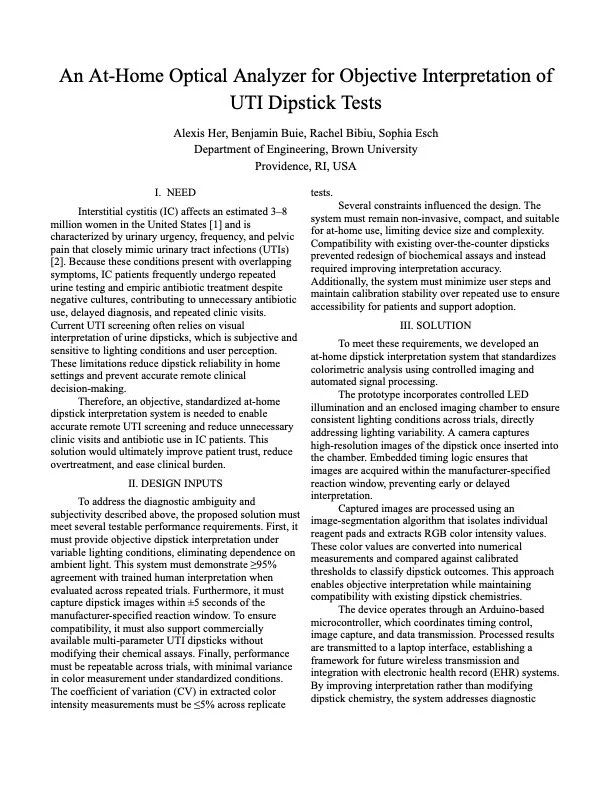
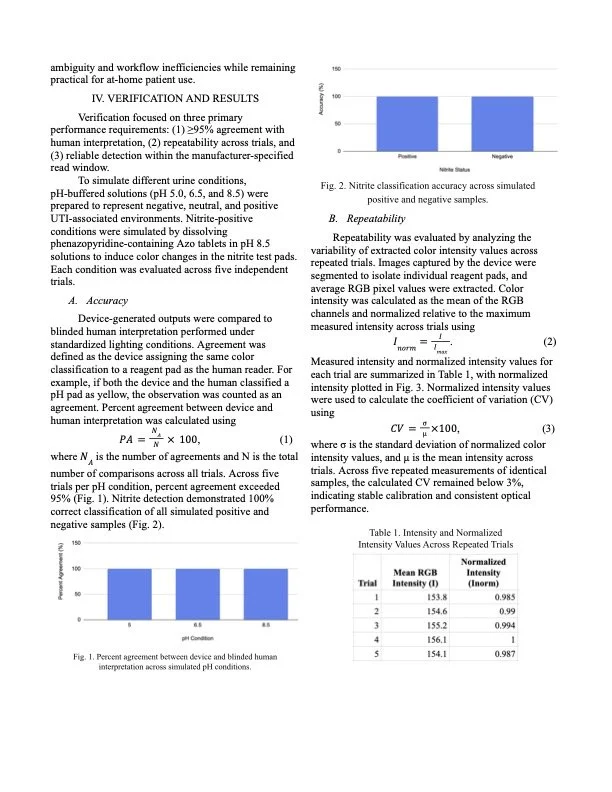
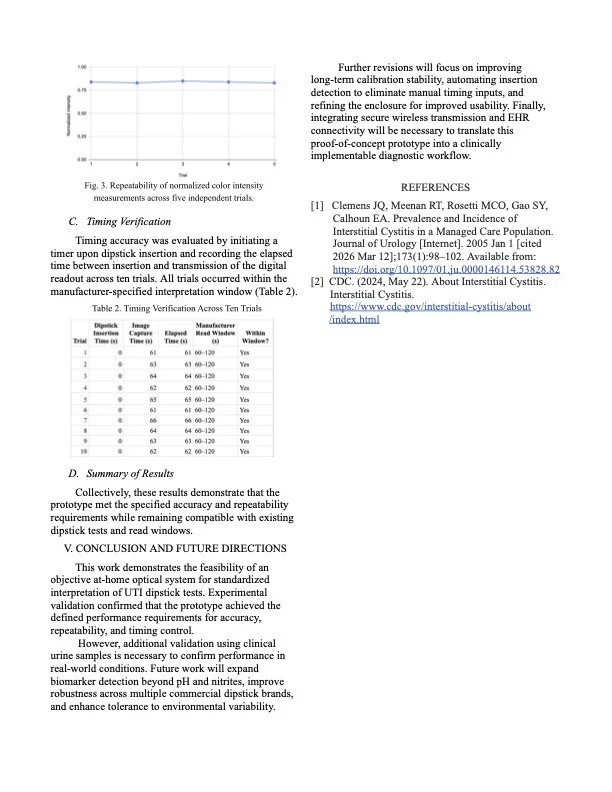
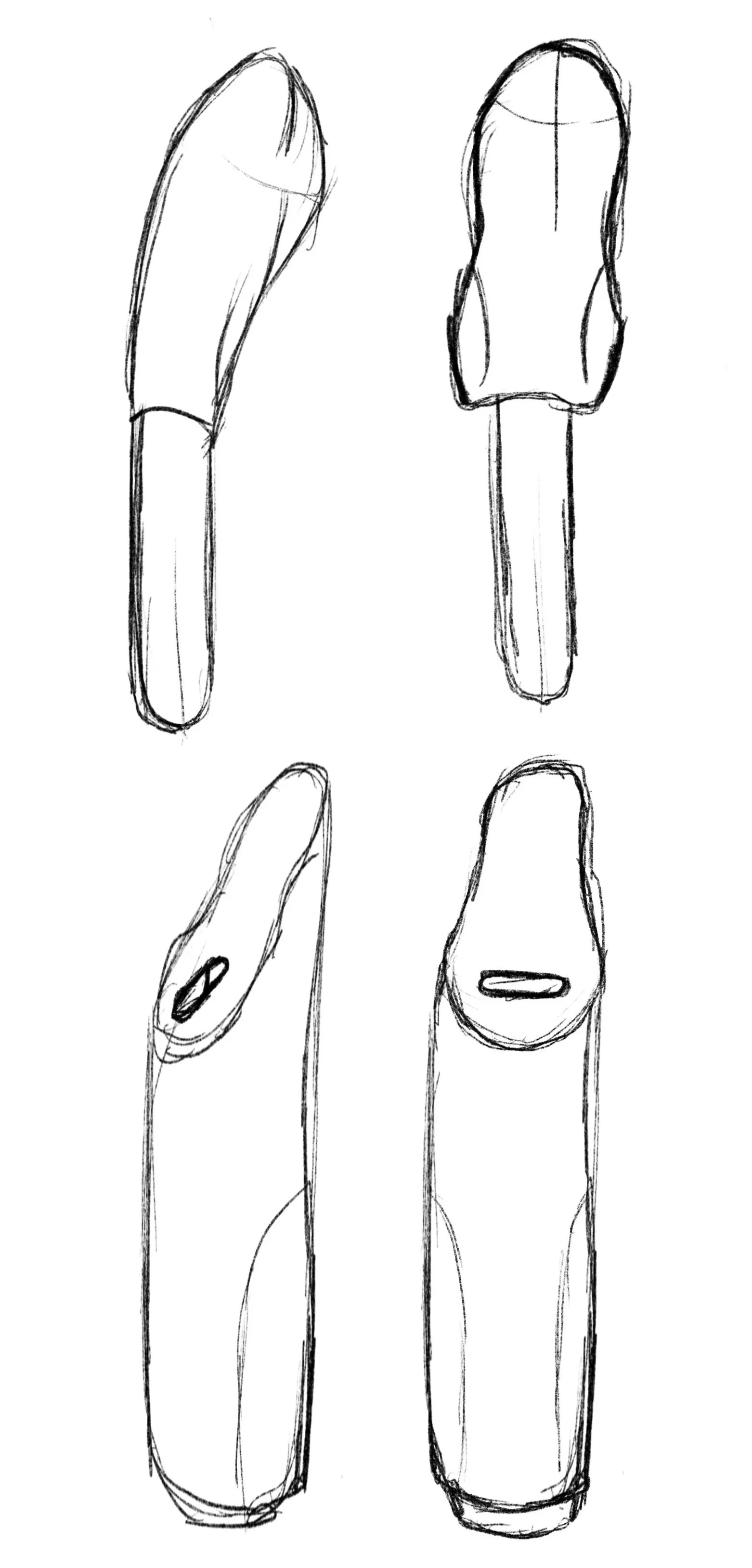
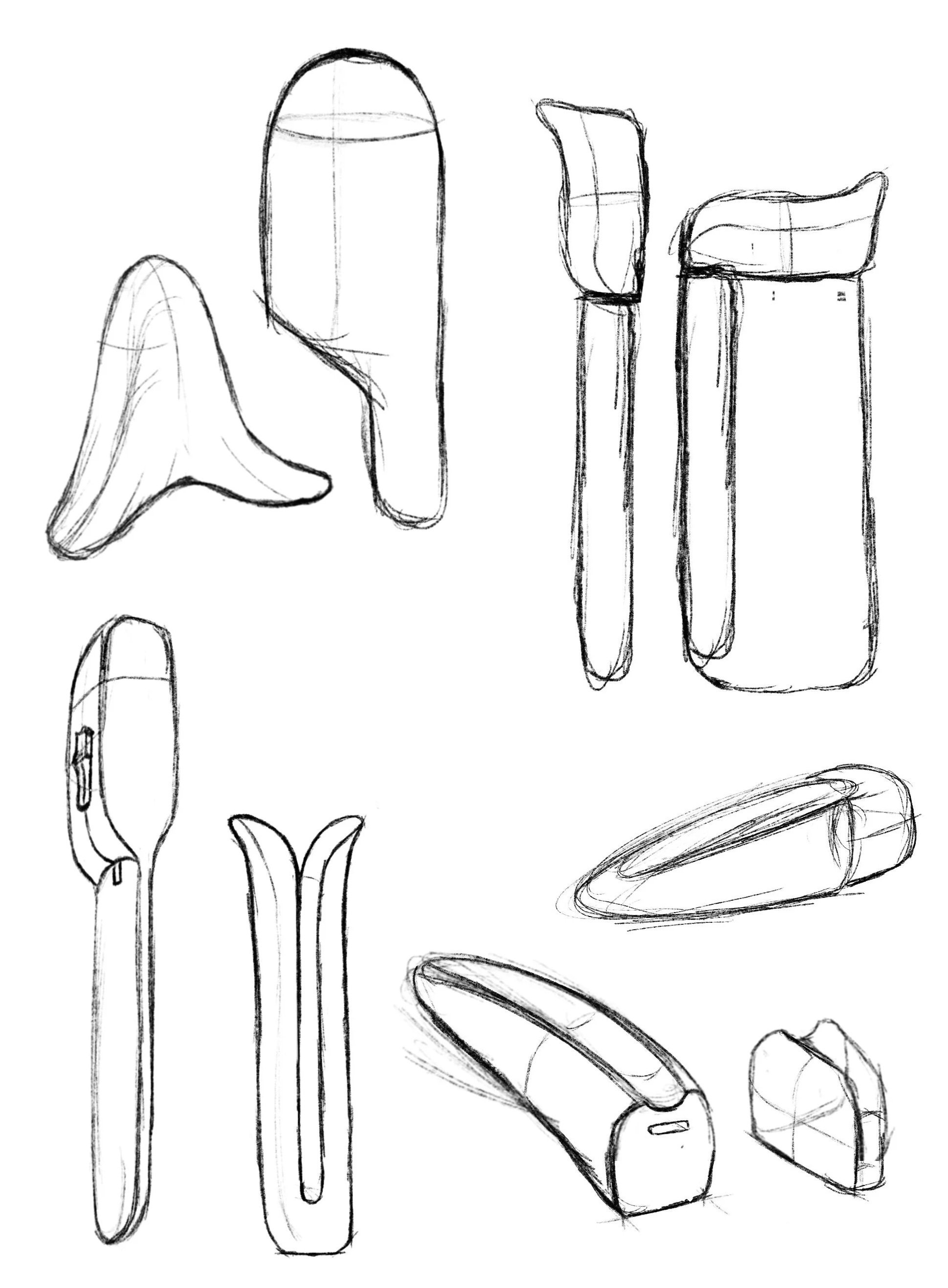
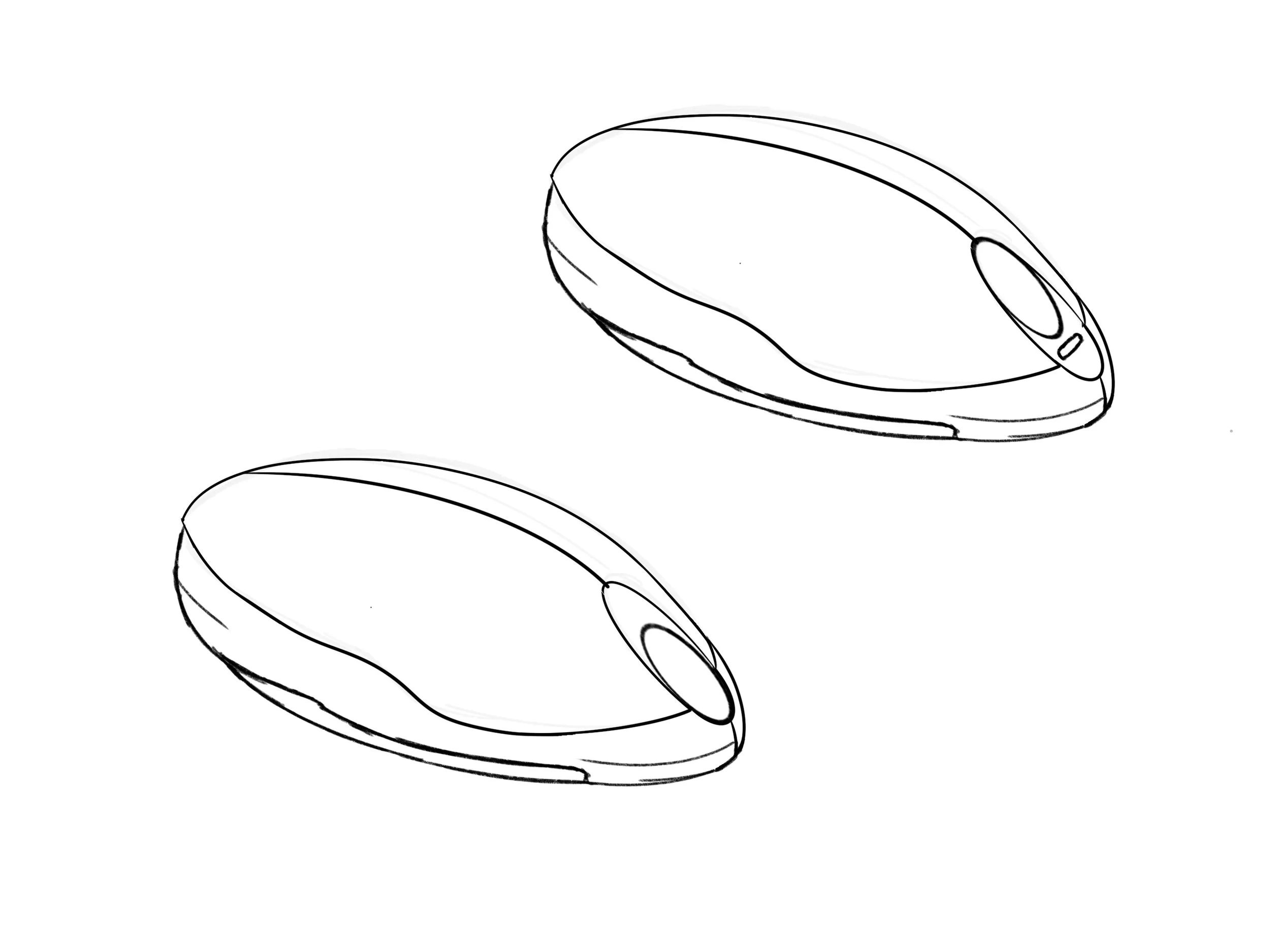
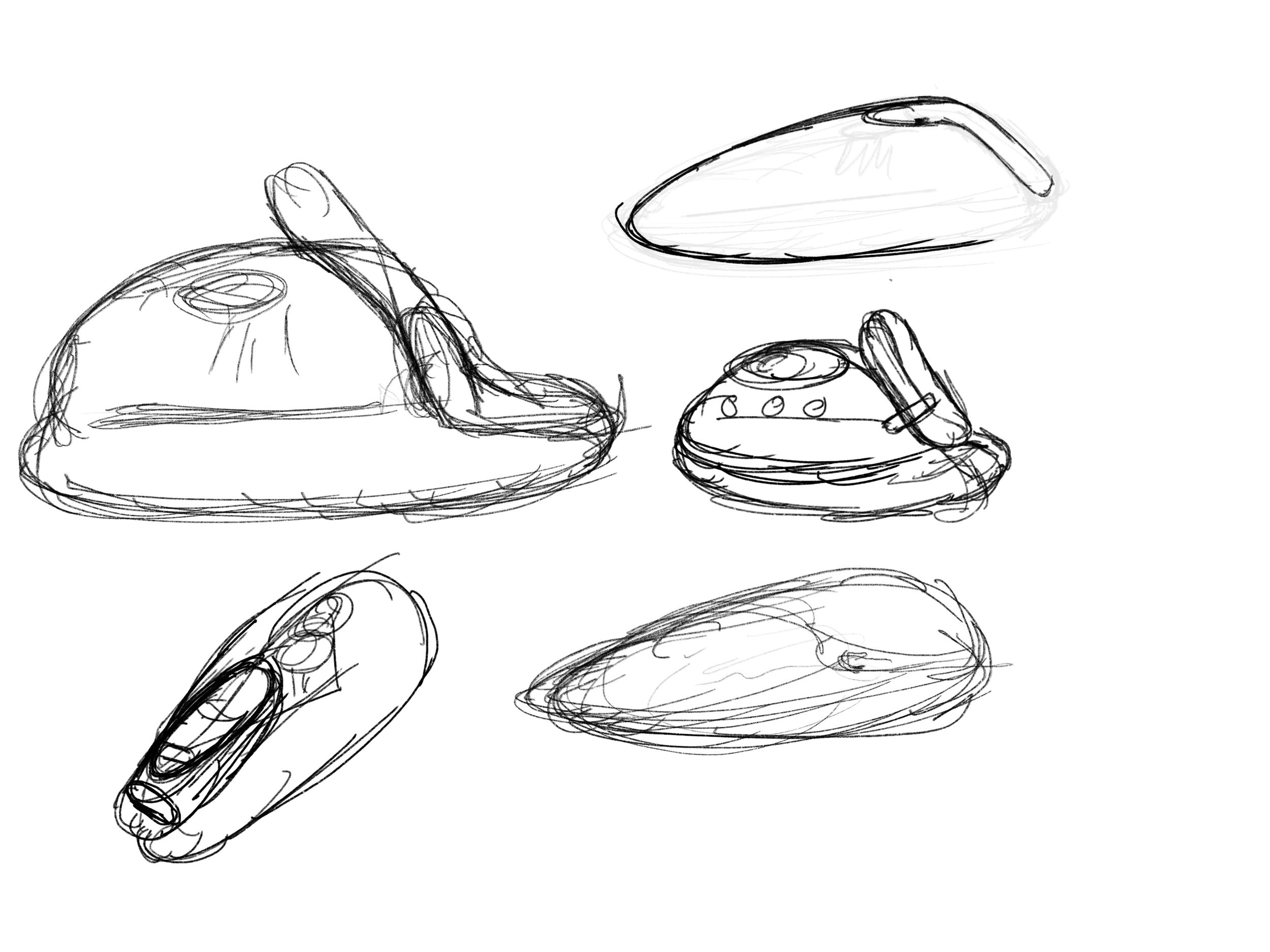
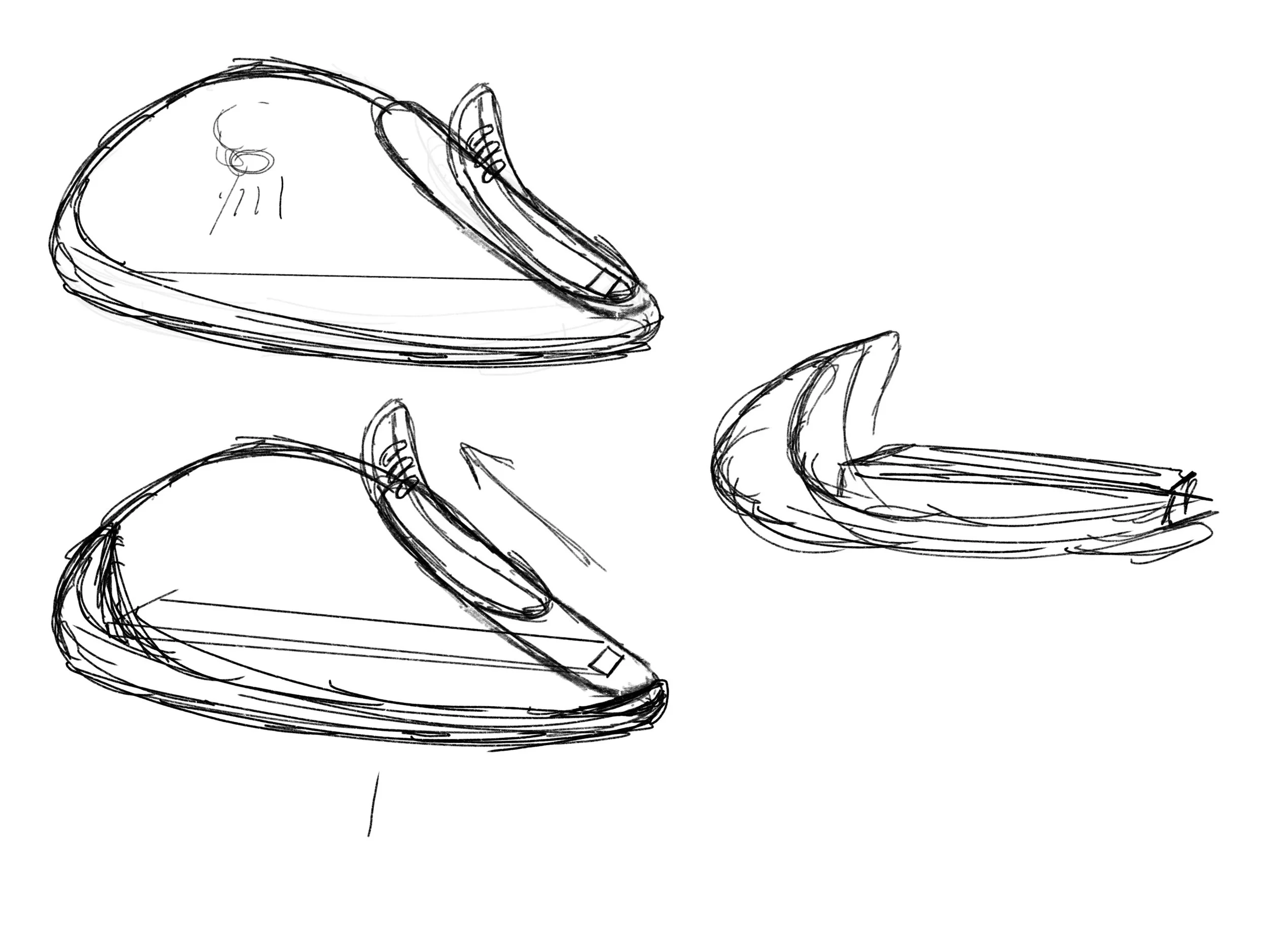
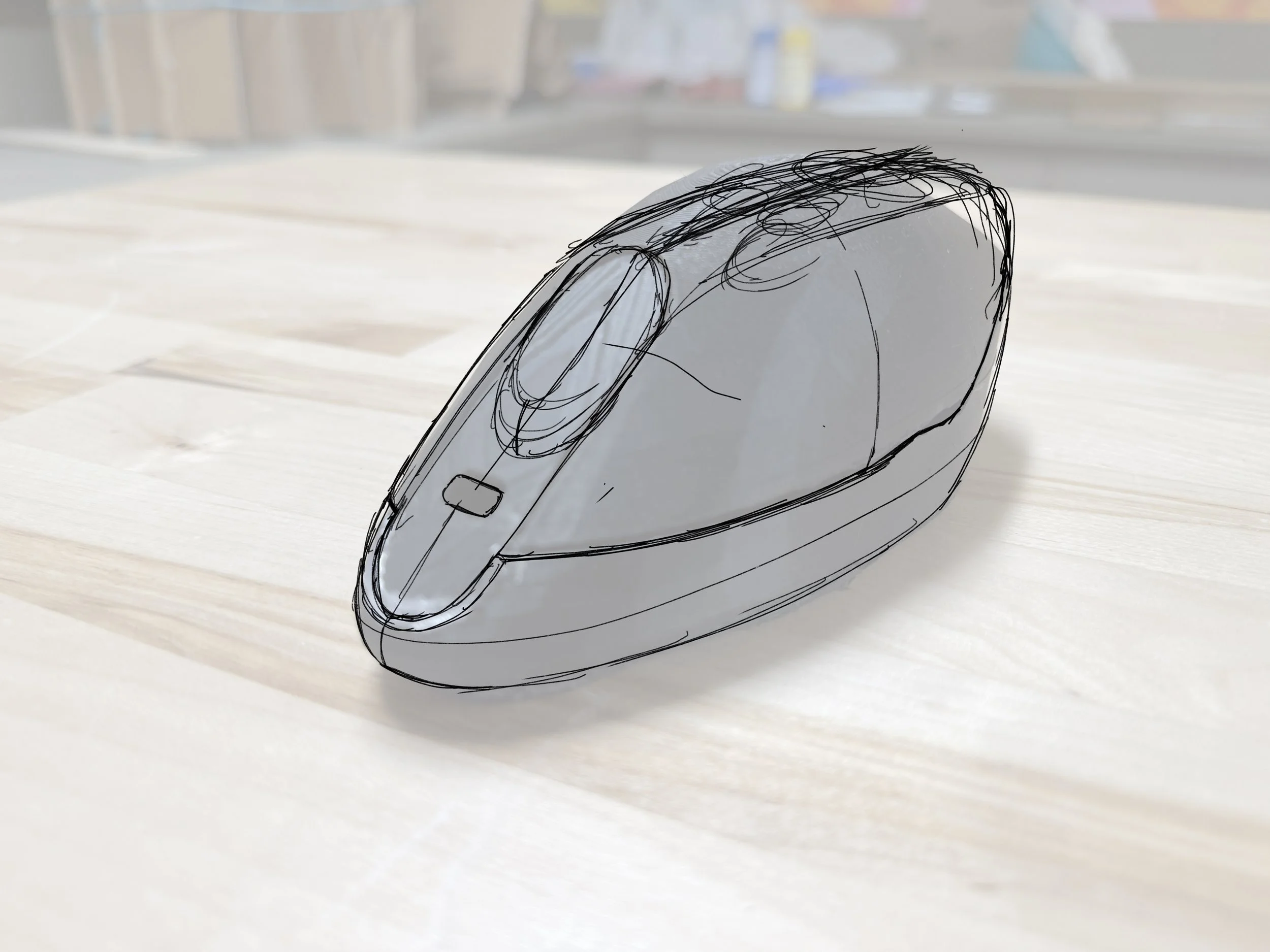
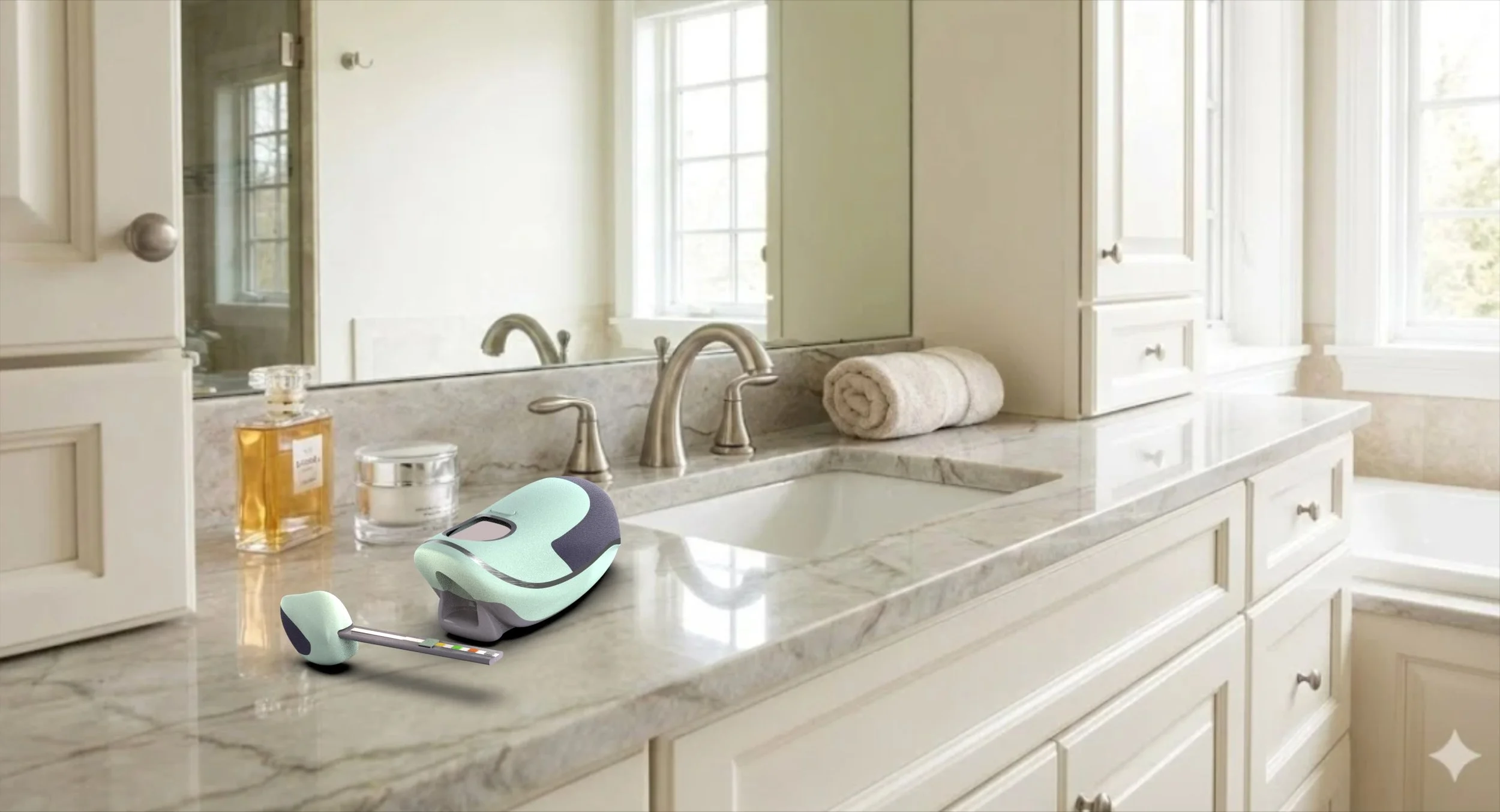
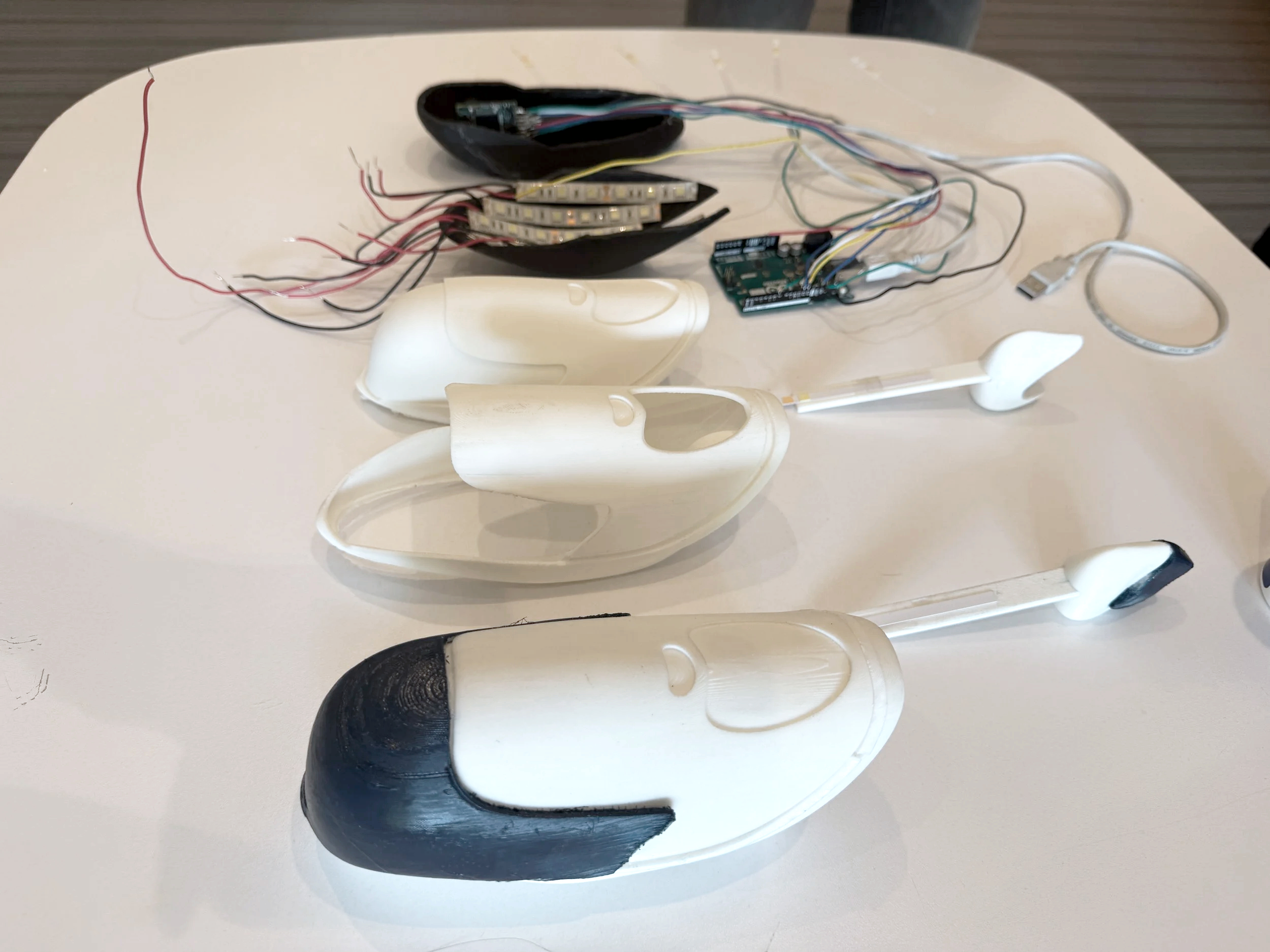
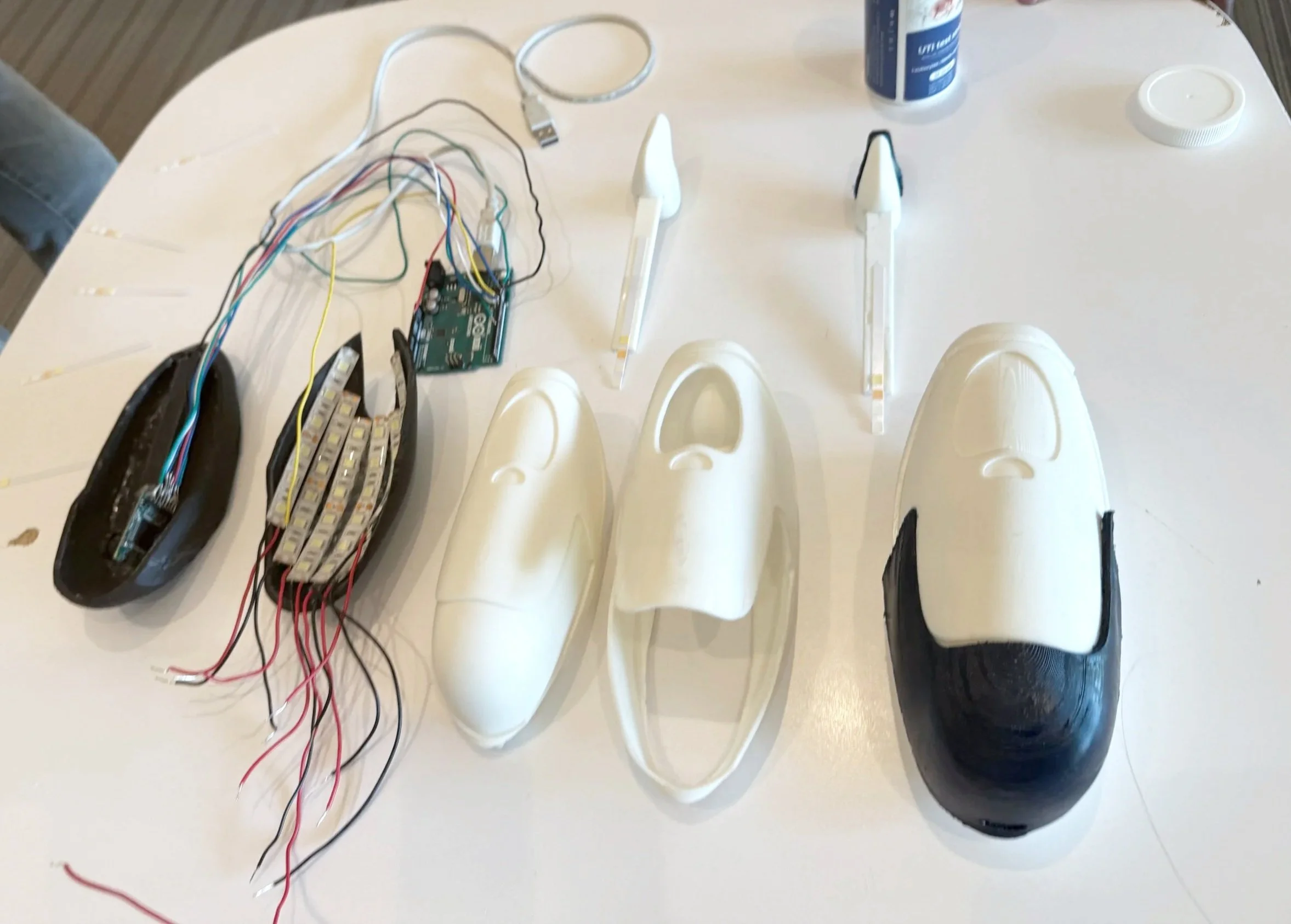
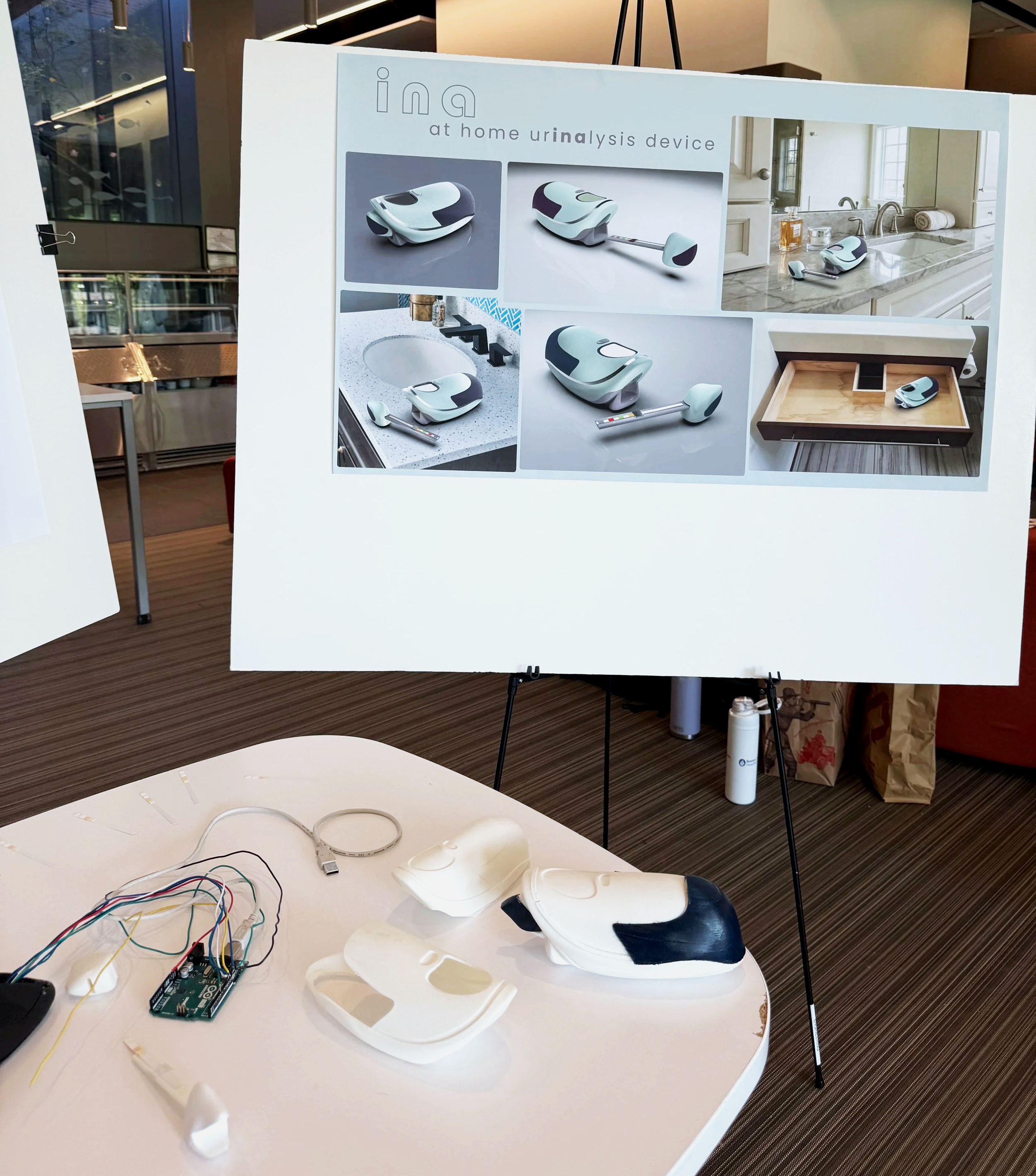
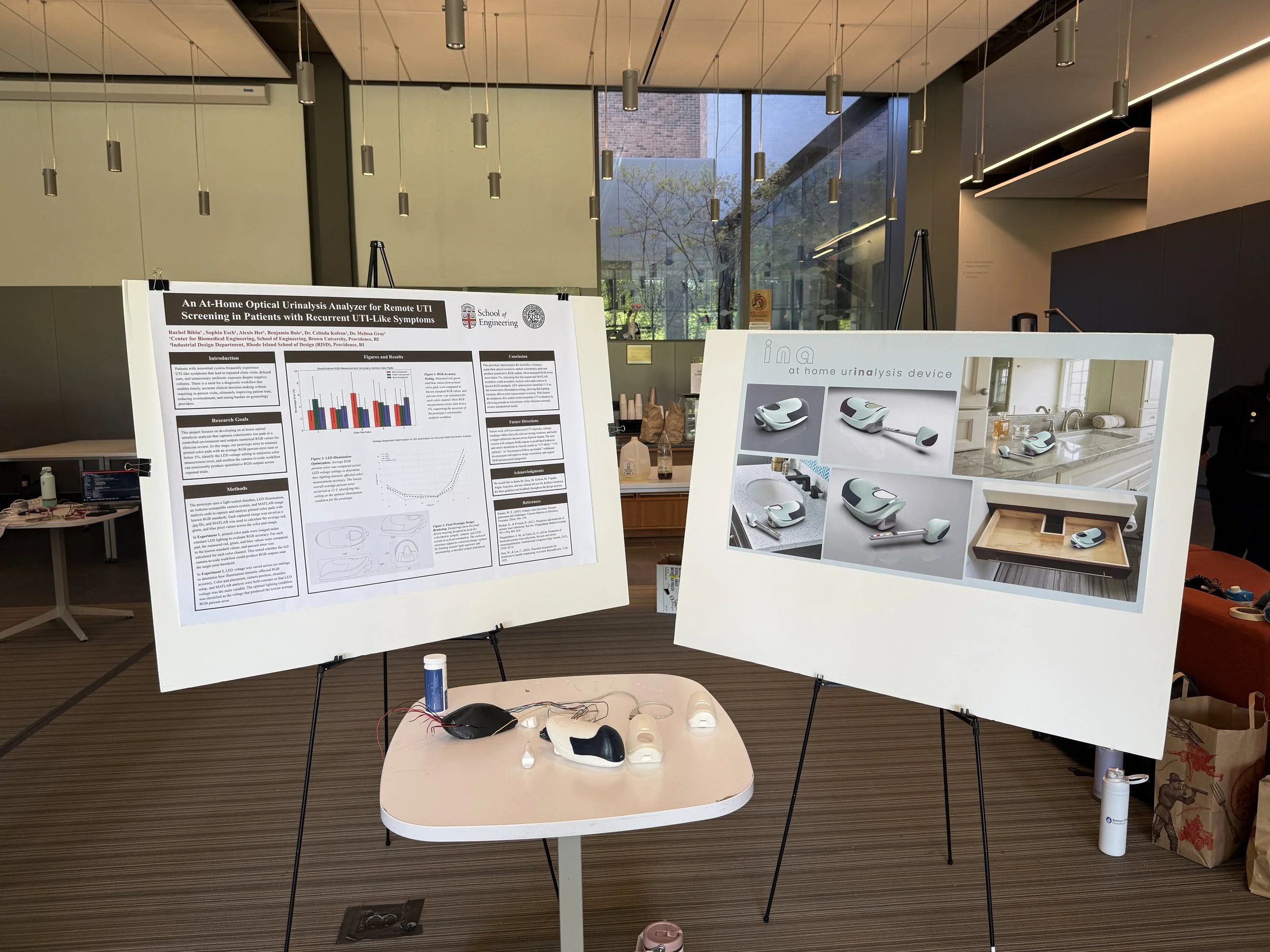
As part of a team with three Brown University Biomedical Engineers, we developed an at-home, handheld UTI urinalysis analyzer, redesigned for personal care, longitudinal tracking, and reduced clinical visits. 

We have produced a proof of concept, an abstract and research poster, and a high-fidelity model with a potential patent pending.


Jump To Final Design

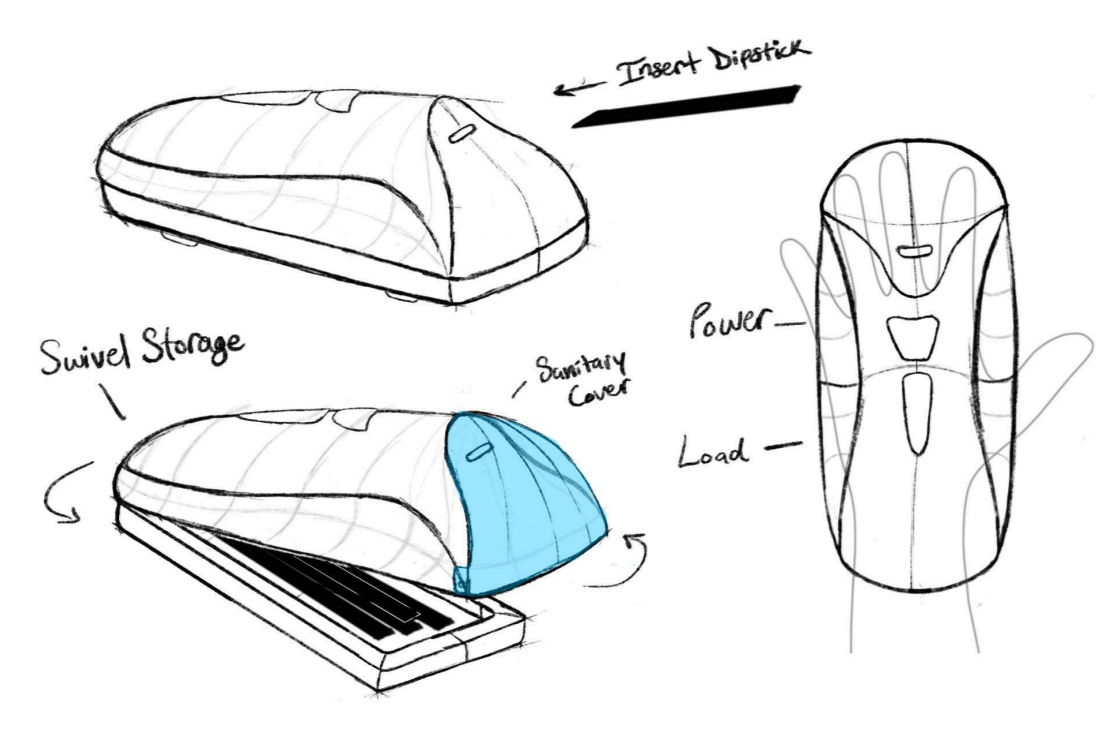
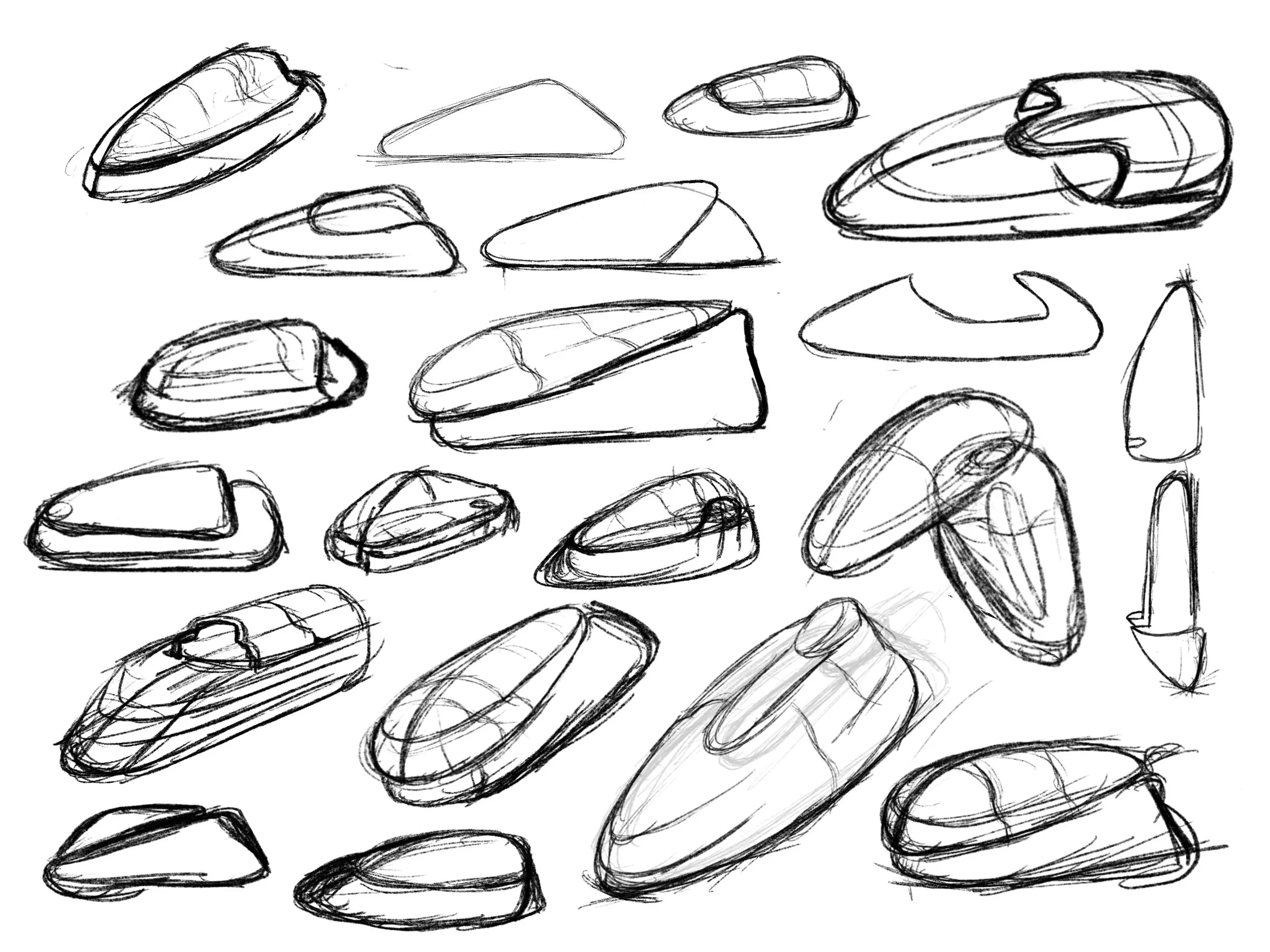
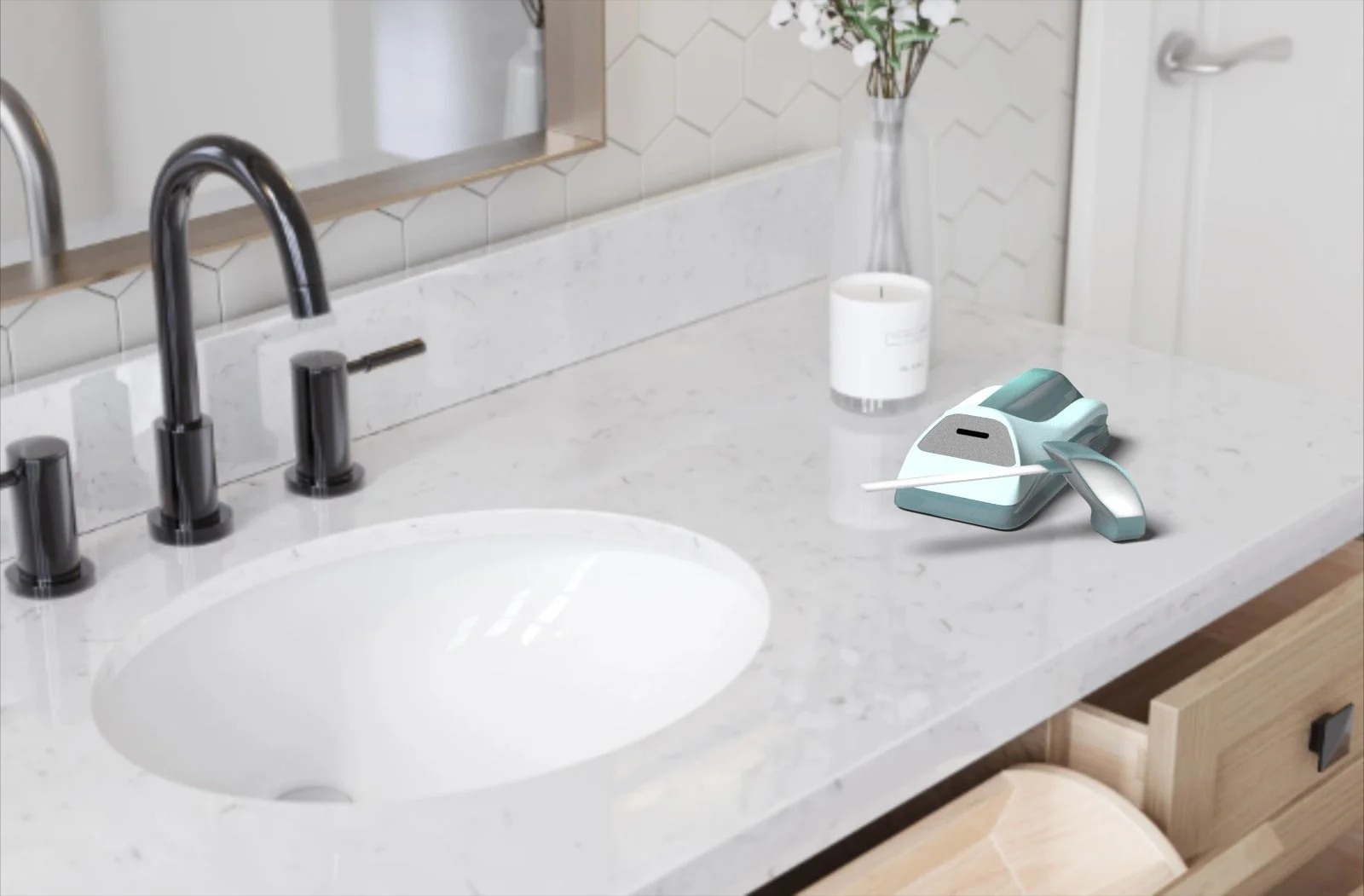
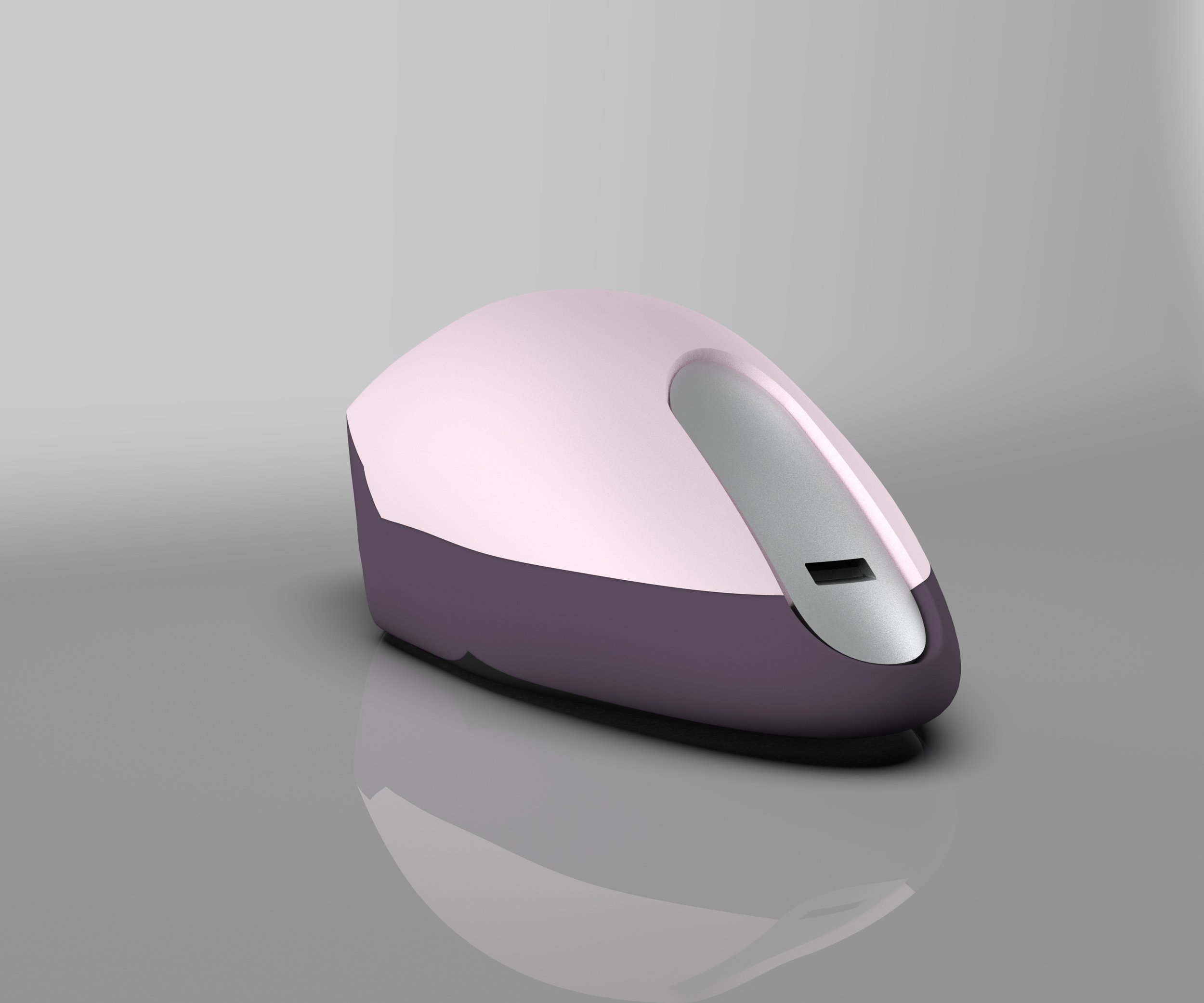
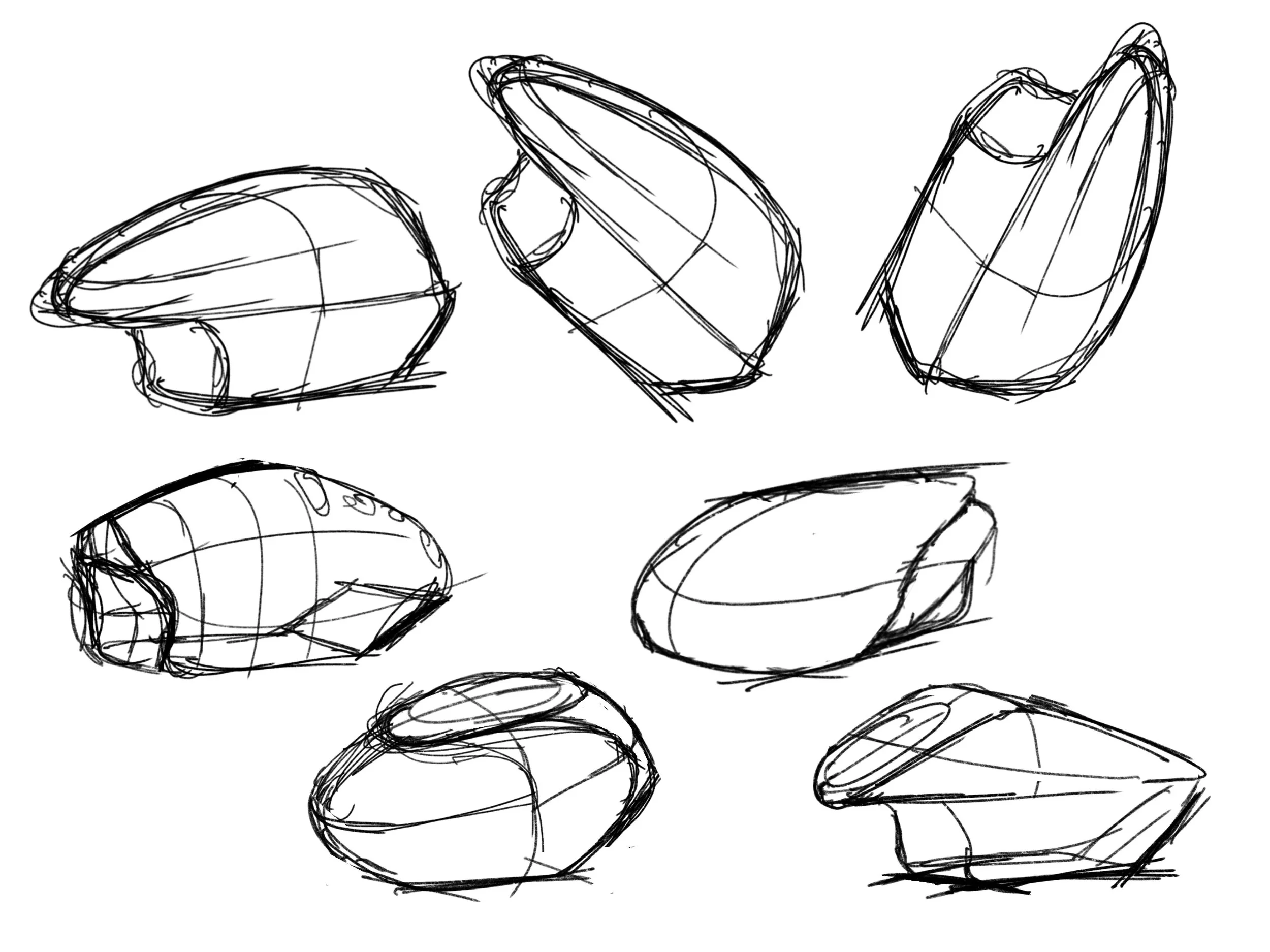
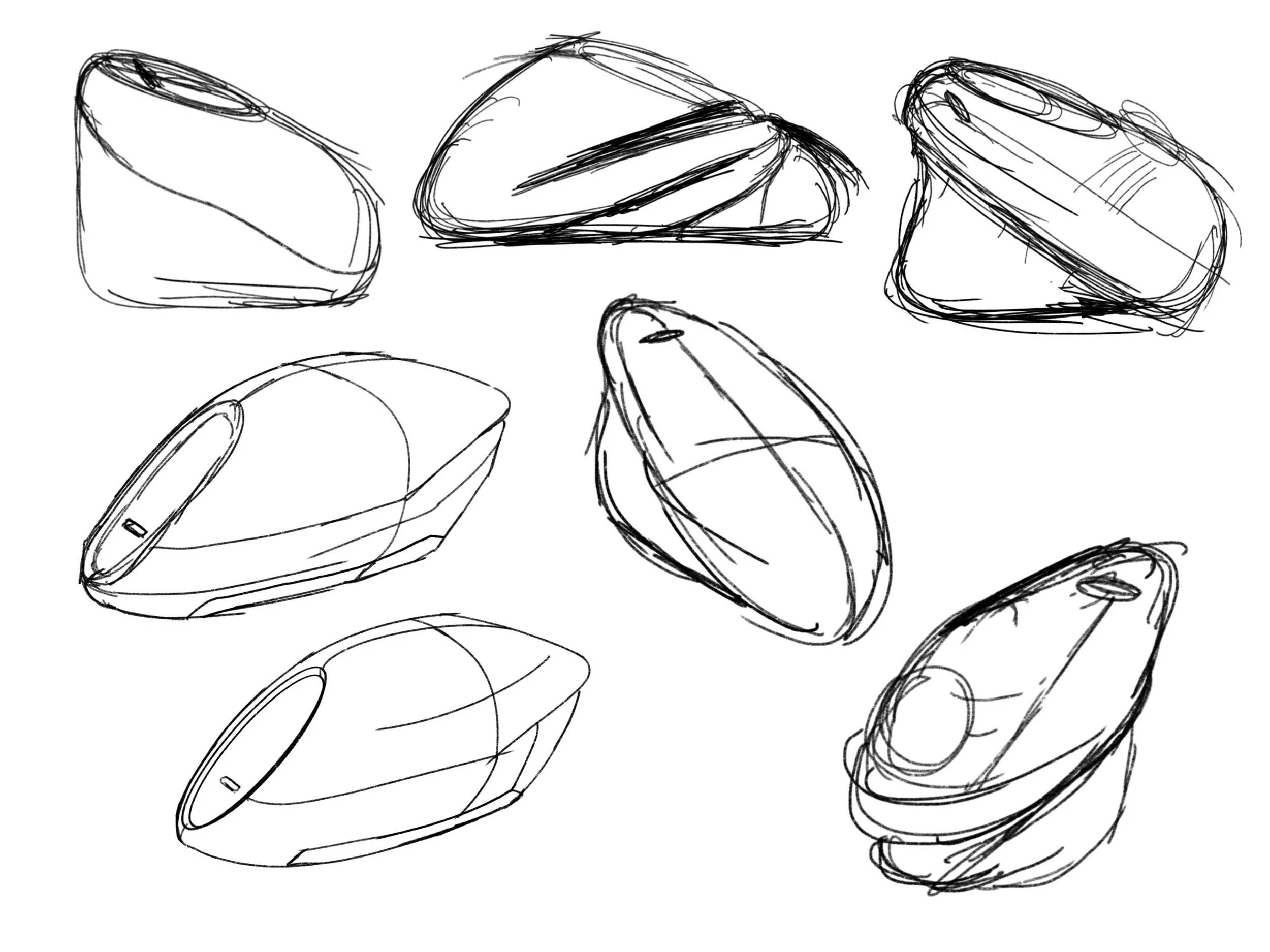
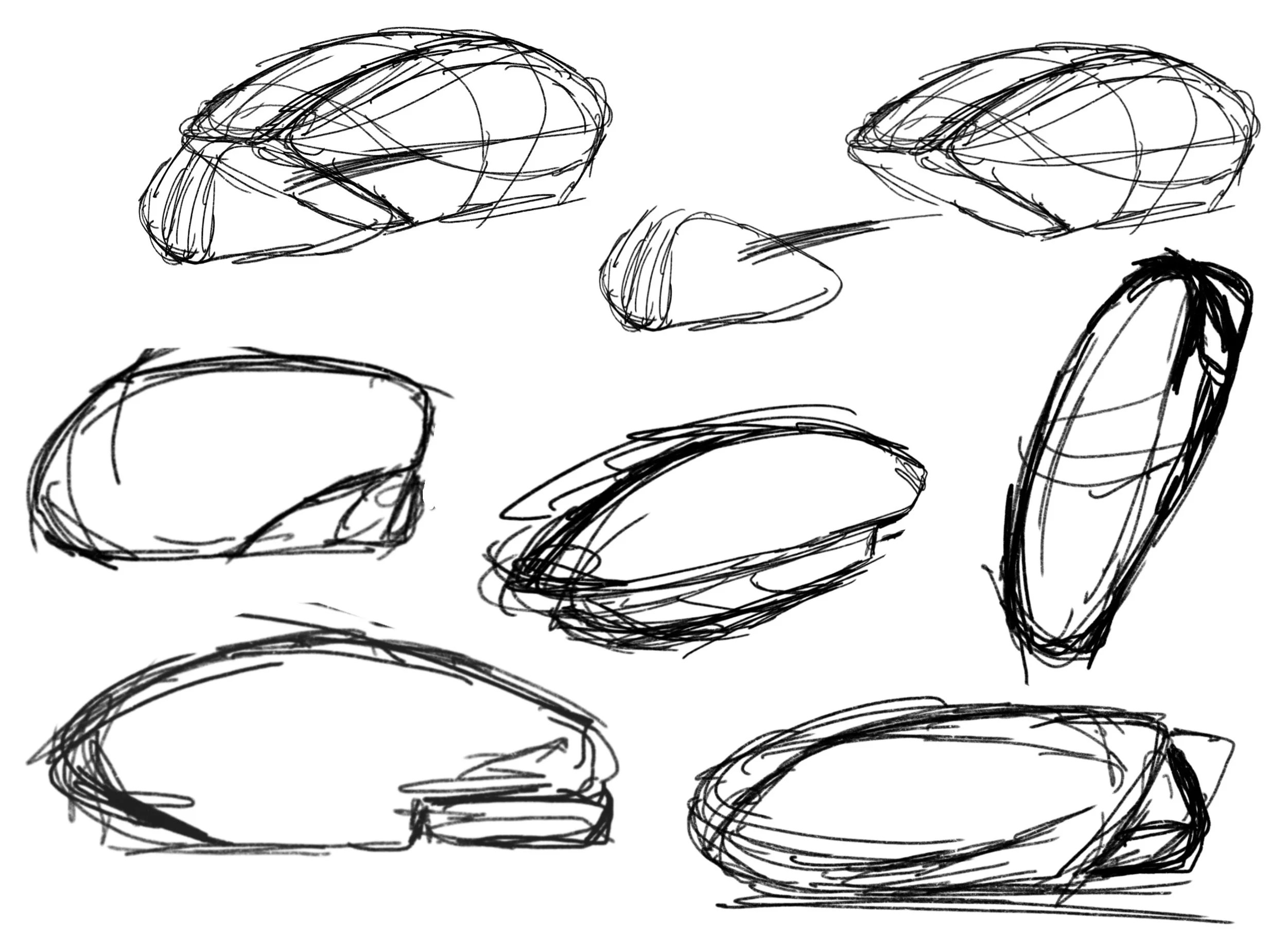
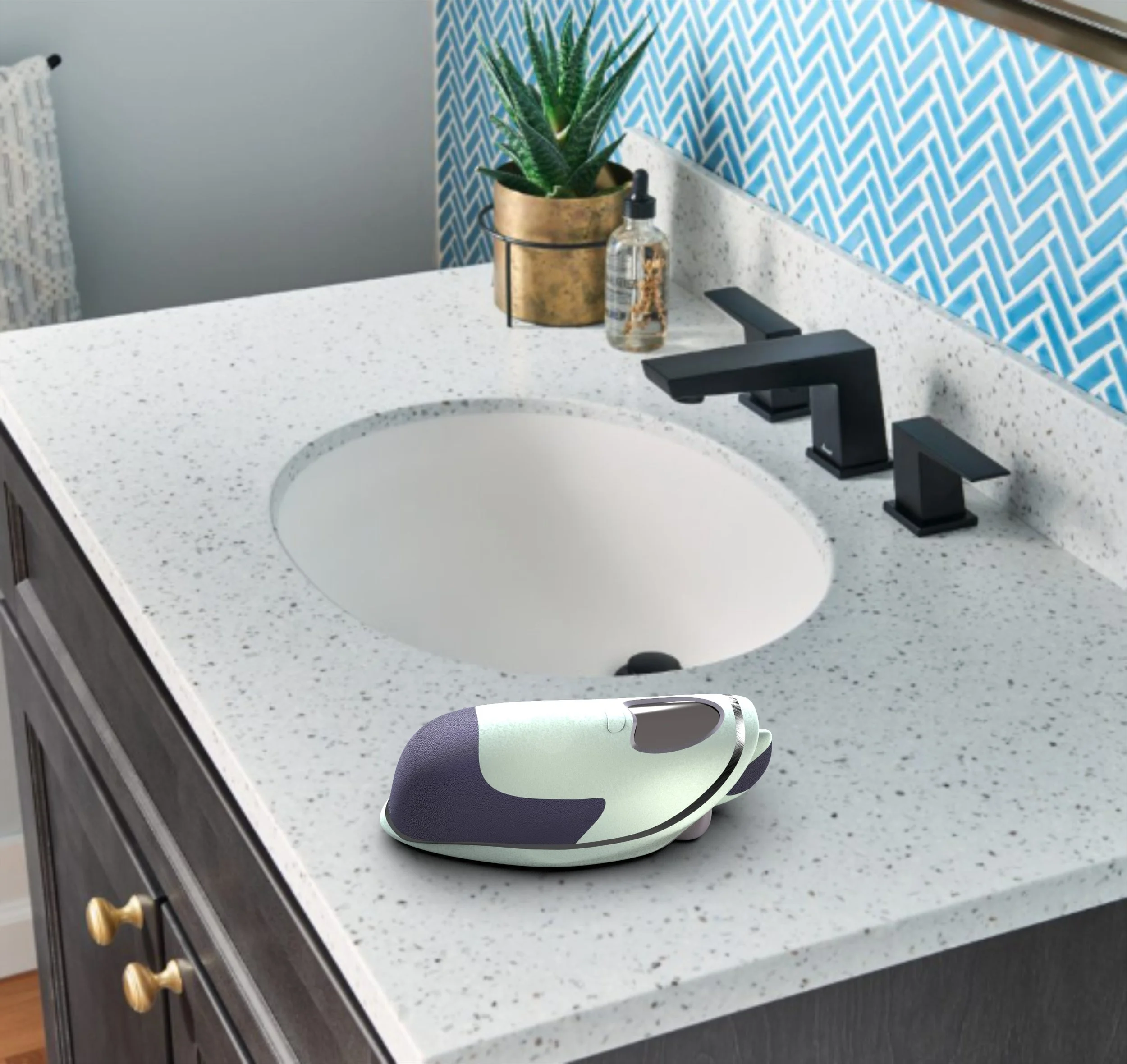
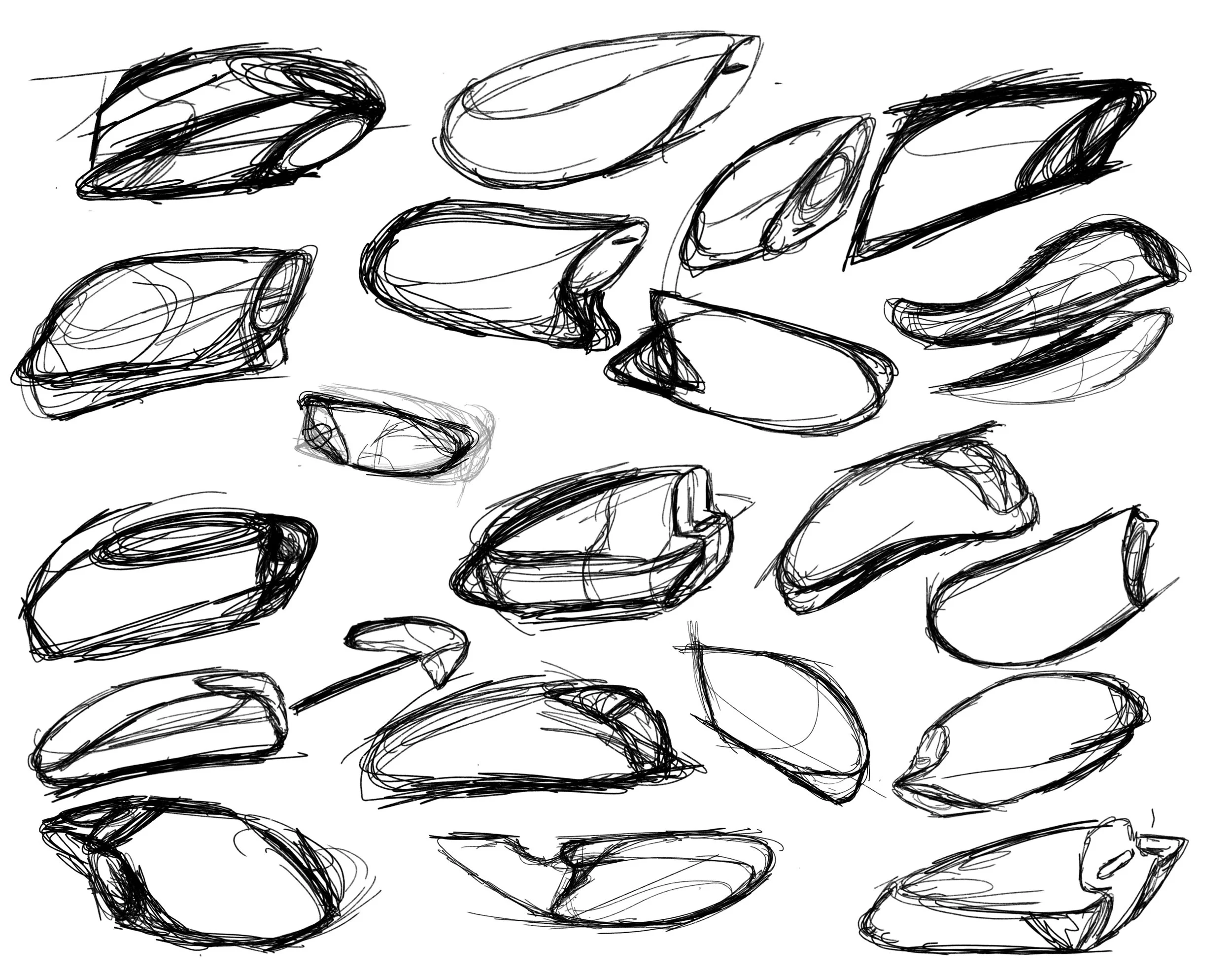
The first-semester design determined our device’s desired gestures, dimensions, storage, and features. Our discreet home-based device digitizes UTI dipsticks and transmits results to an EHR (e.g., MyChart), streamlining diagnostic workflows, reducing overtreatment, and enabling timely access to appropriate care.

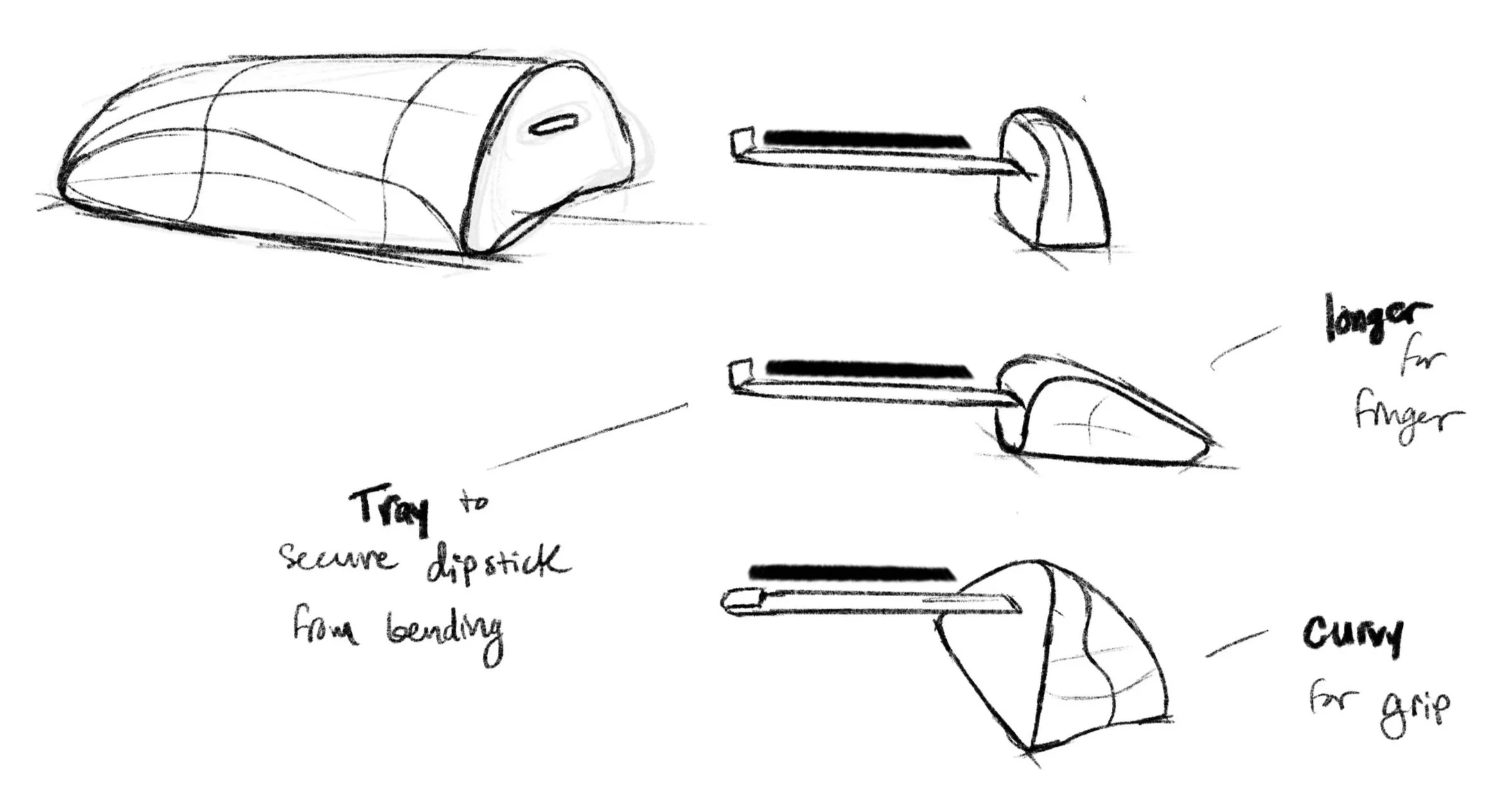
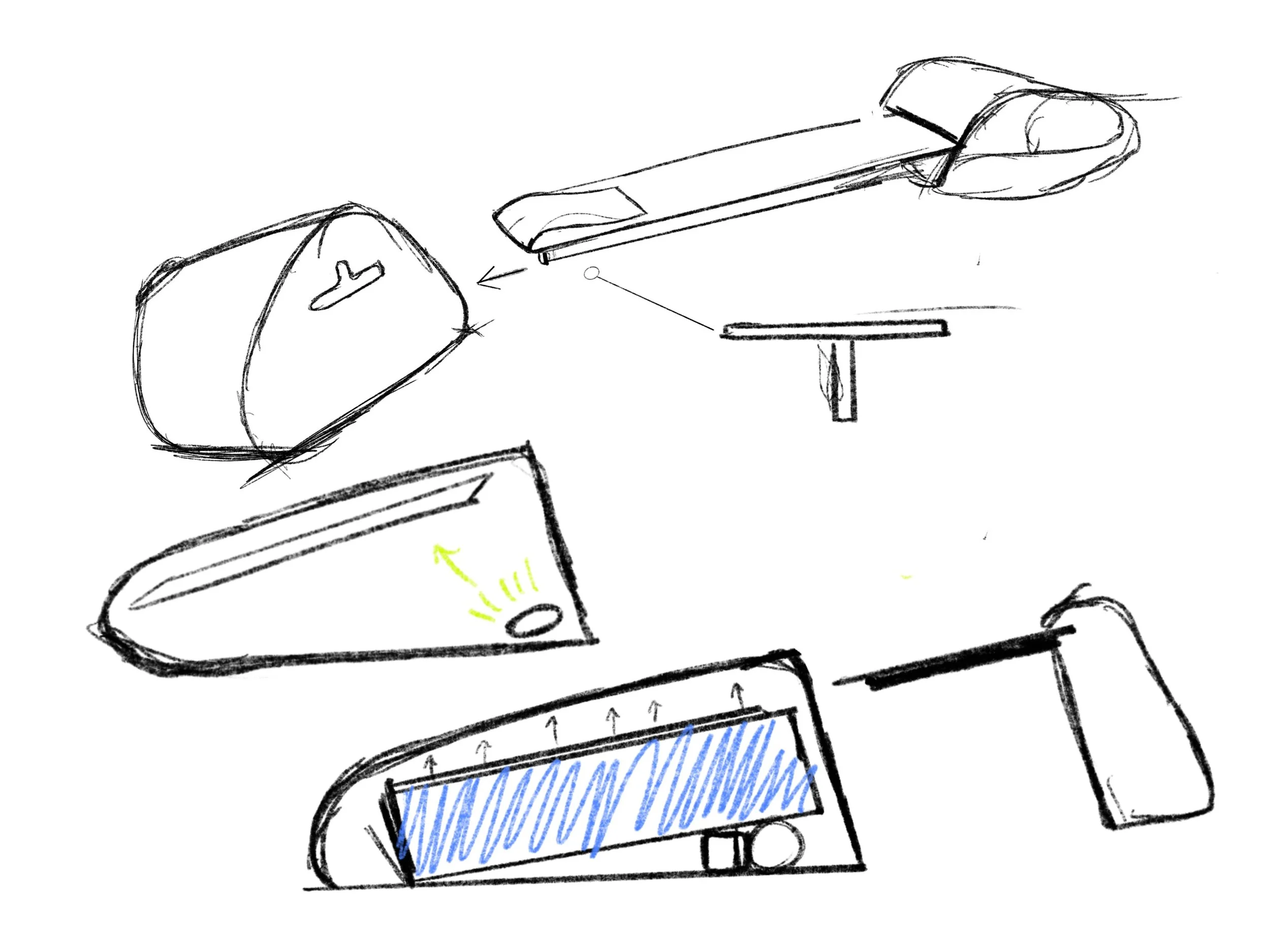
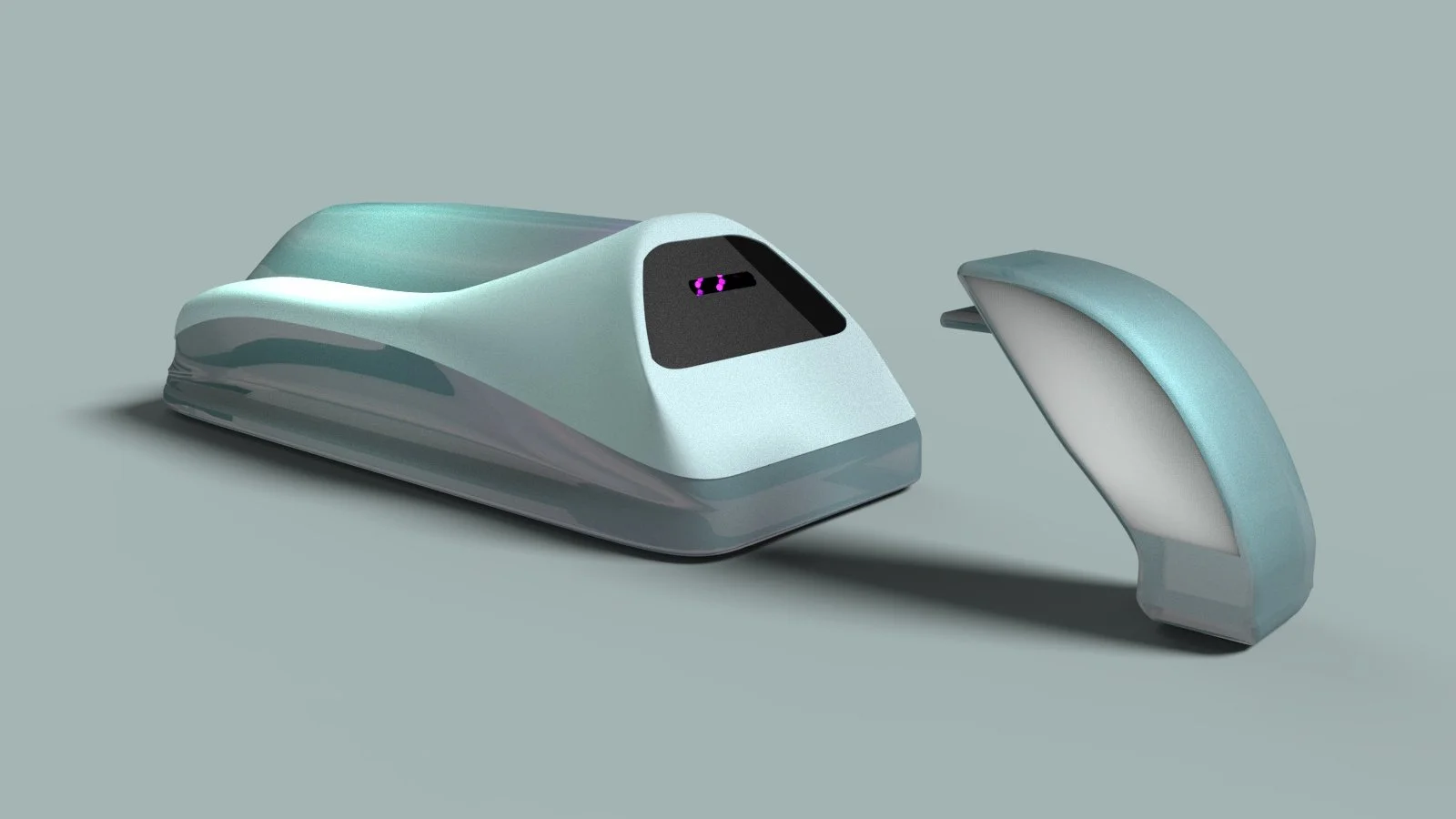
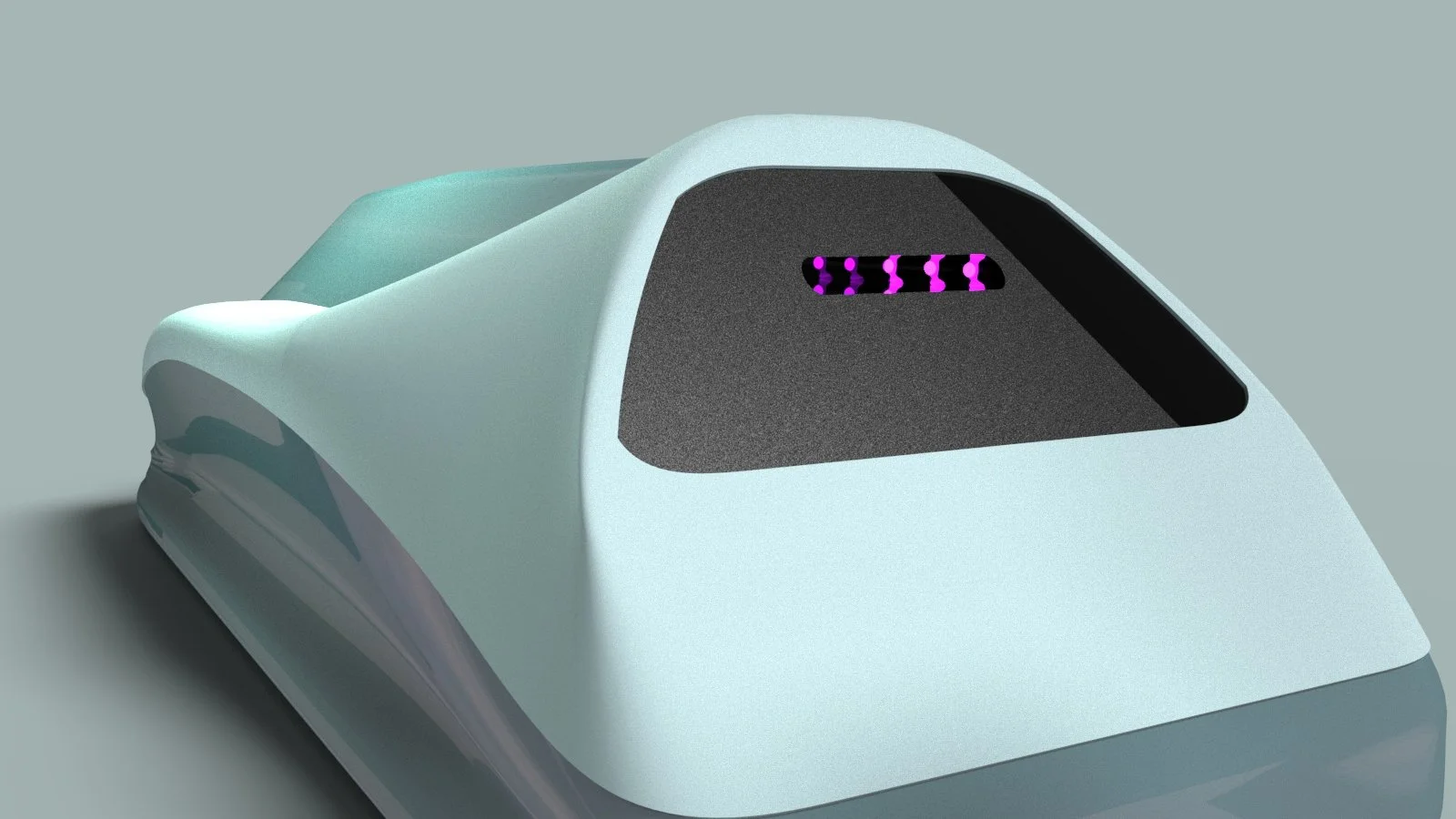
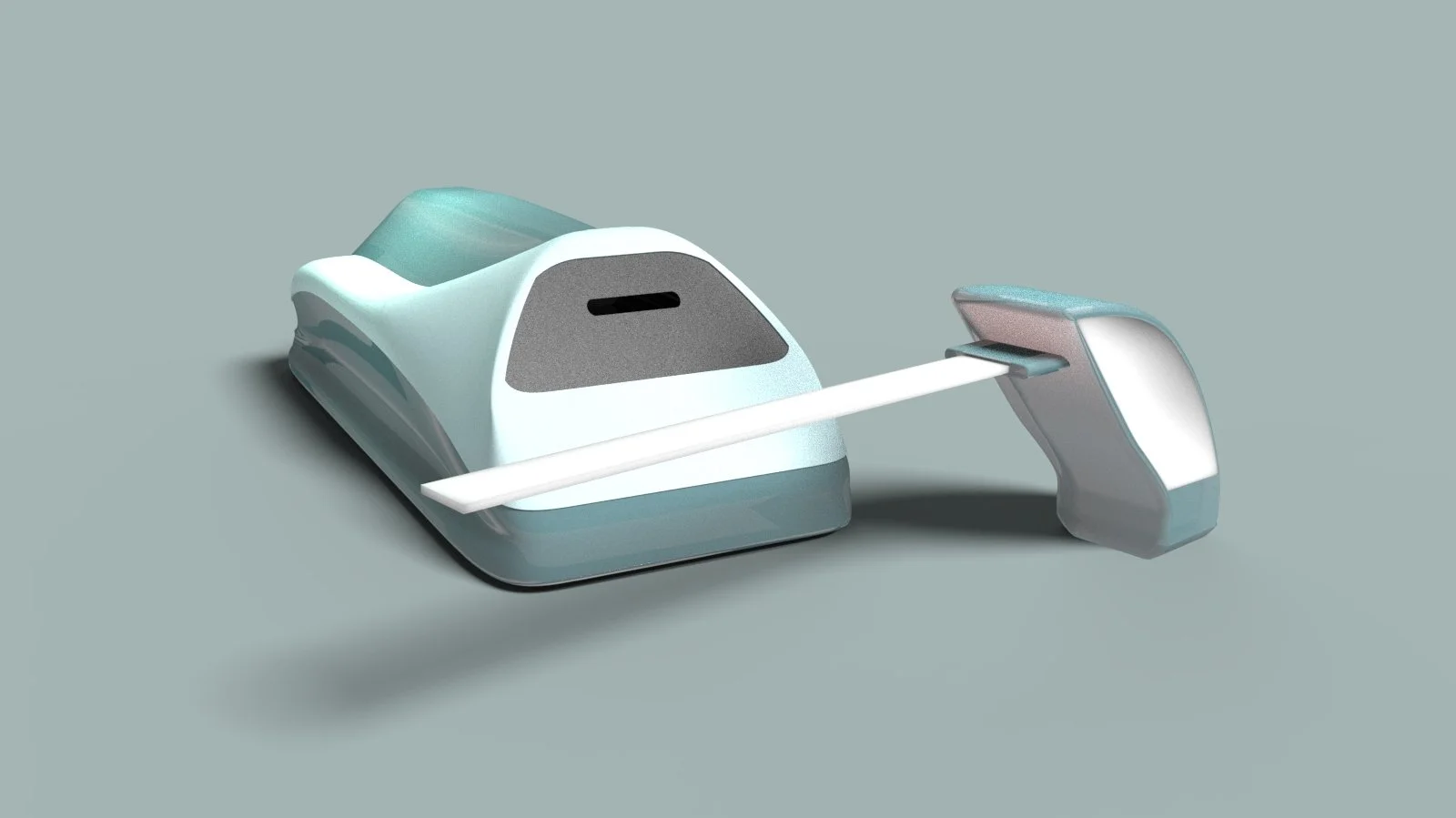
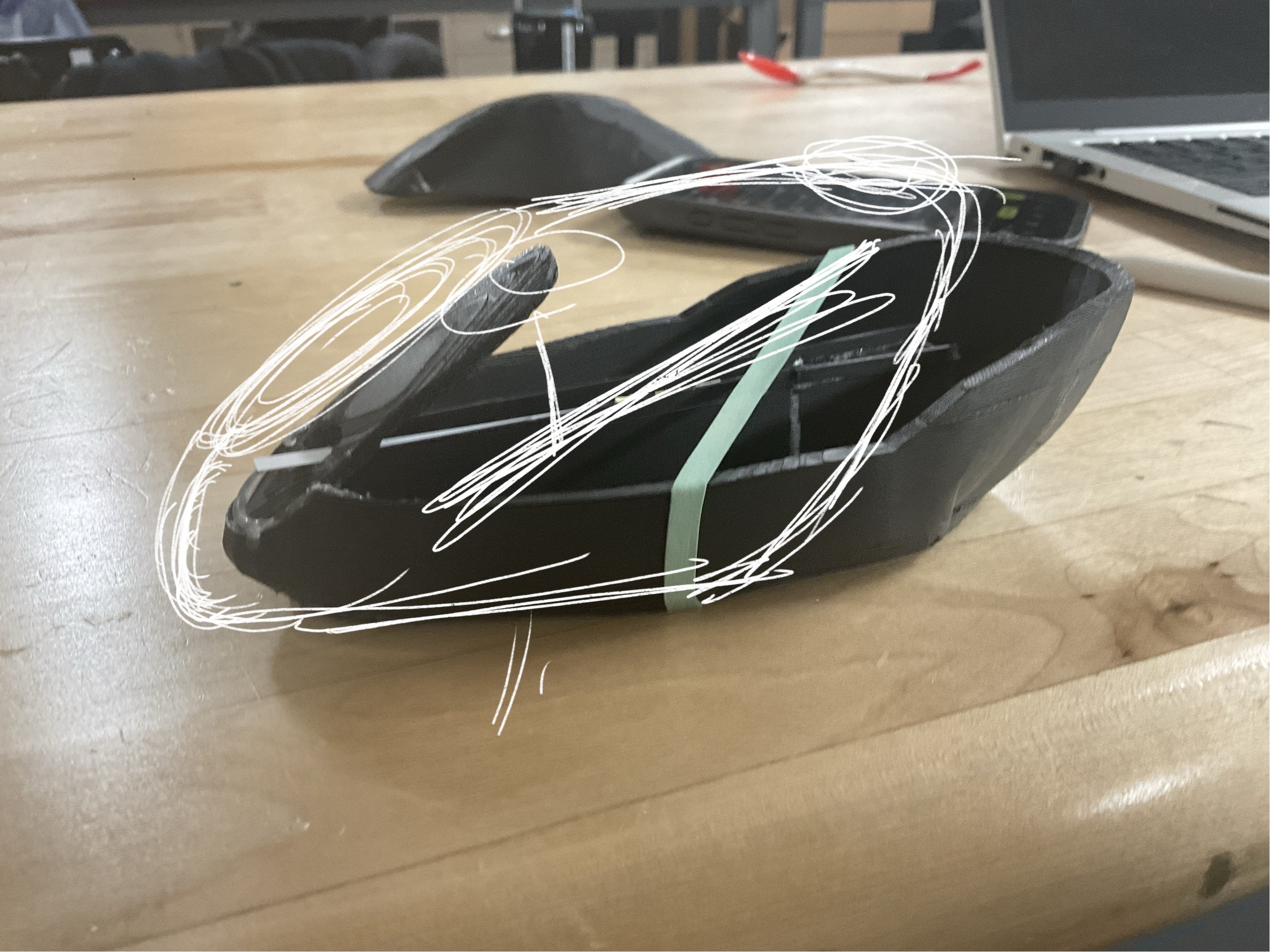
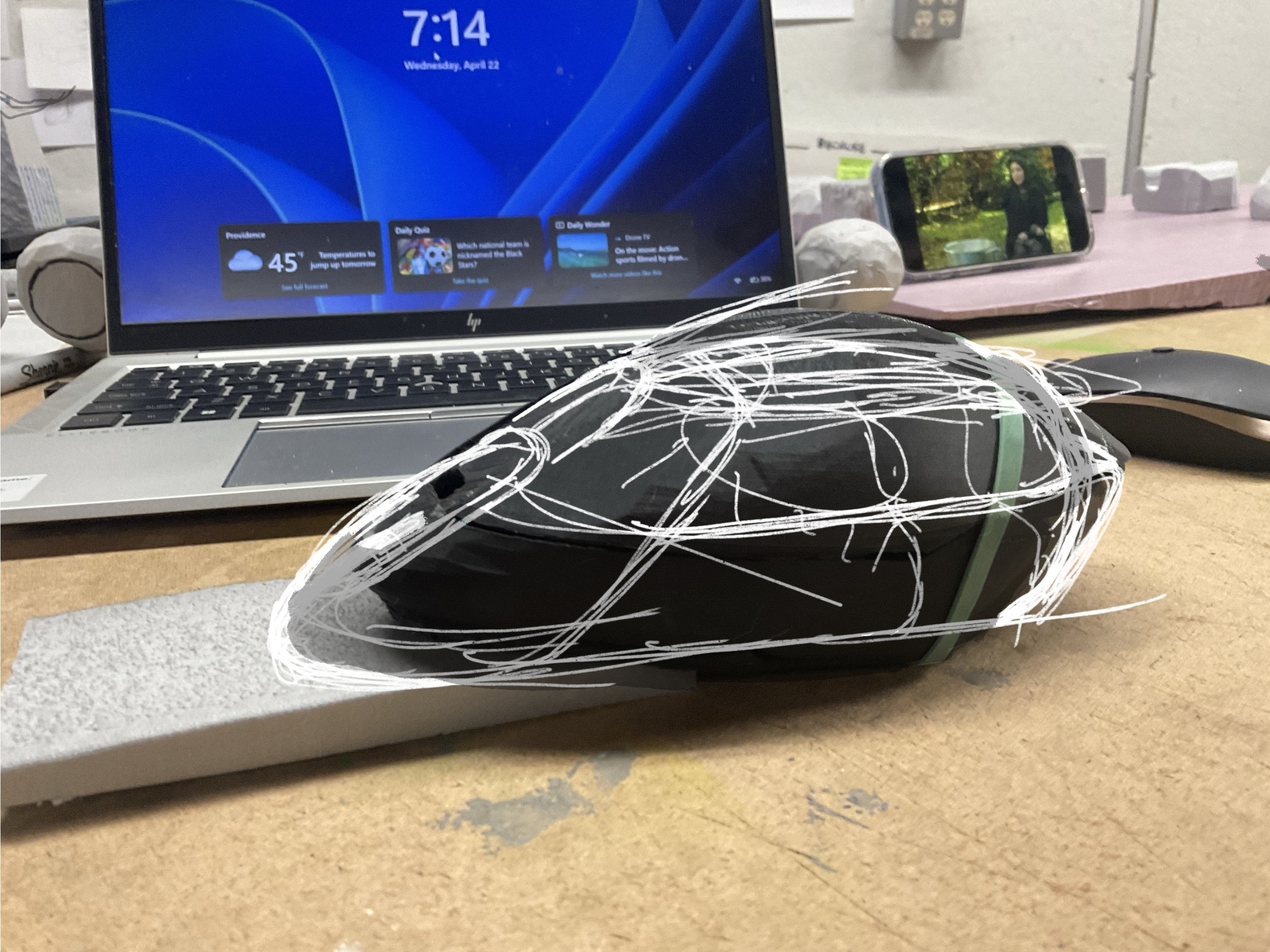
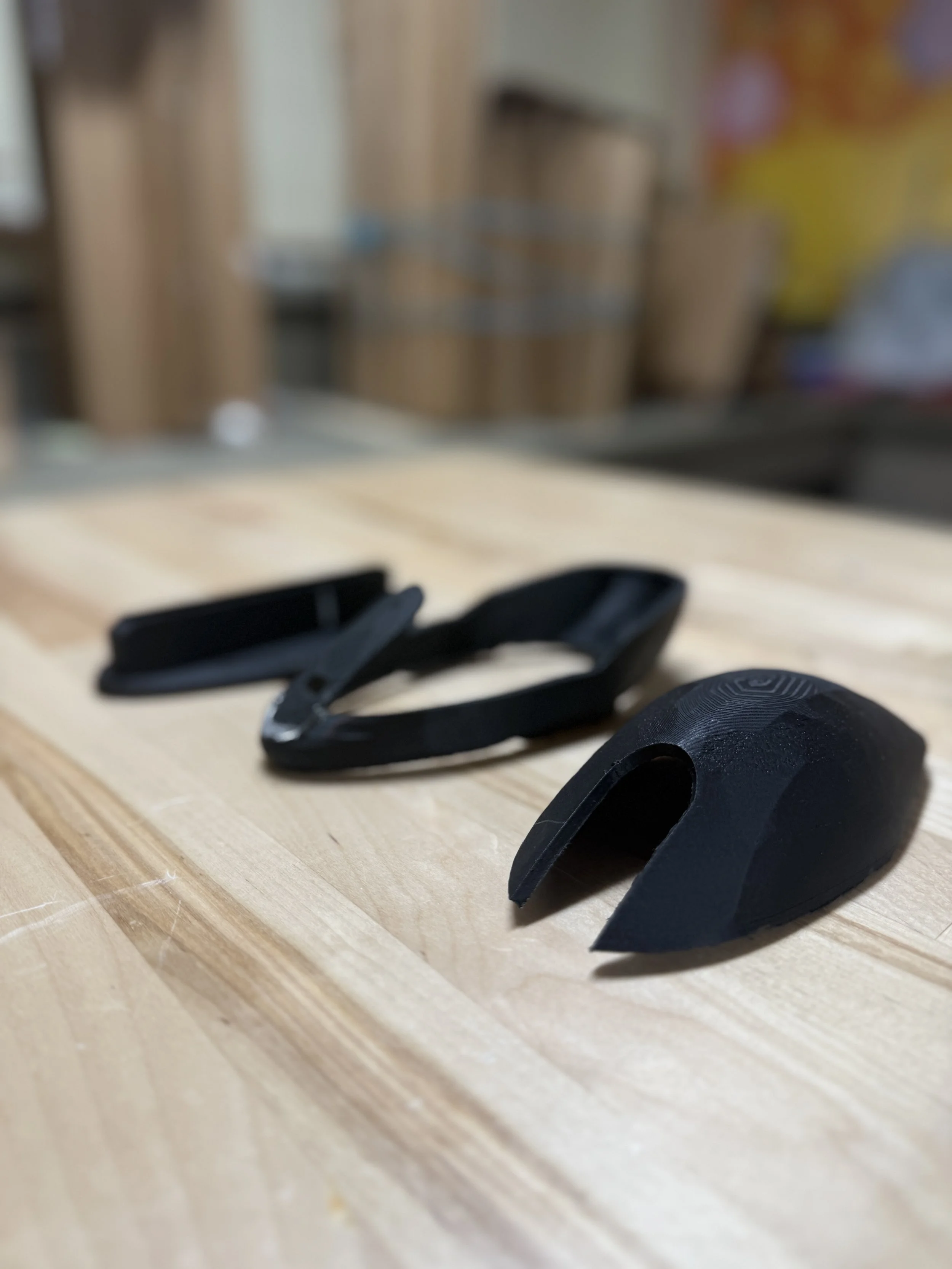
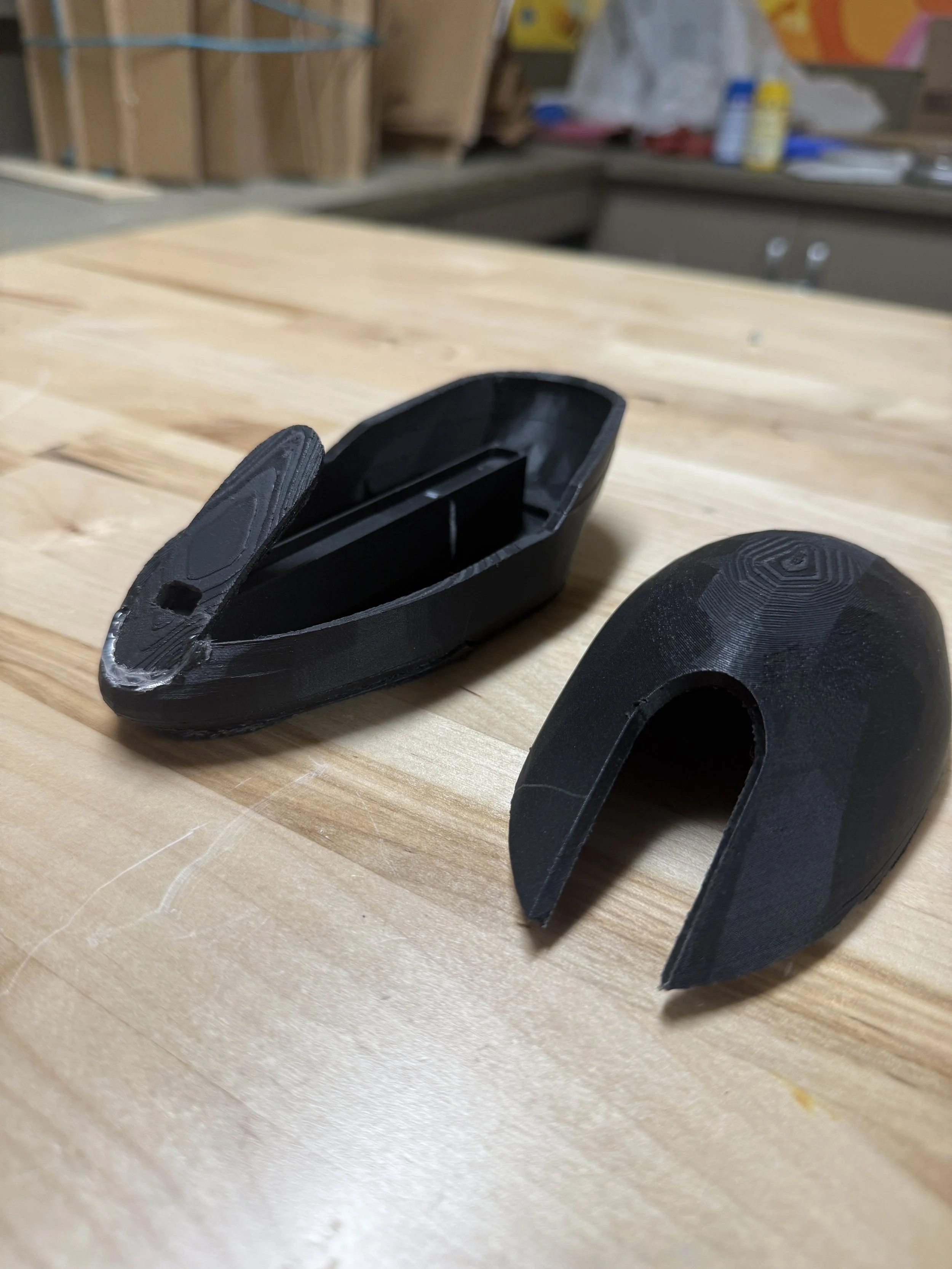
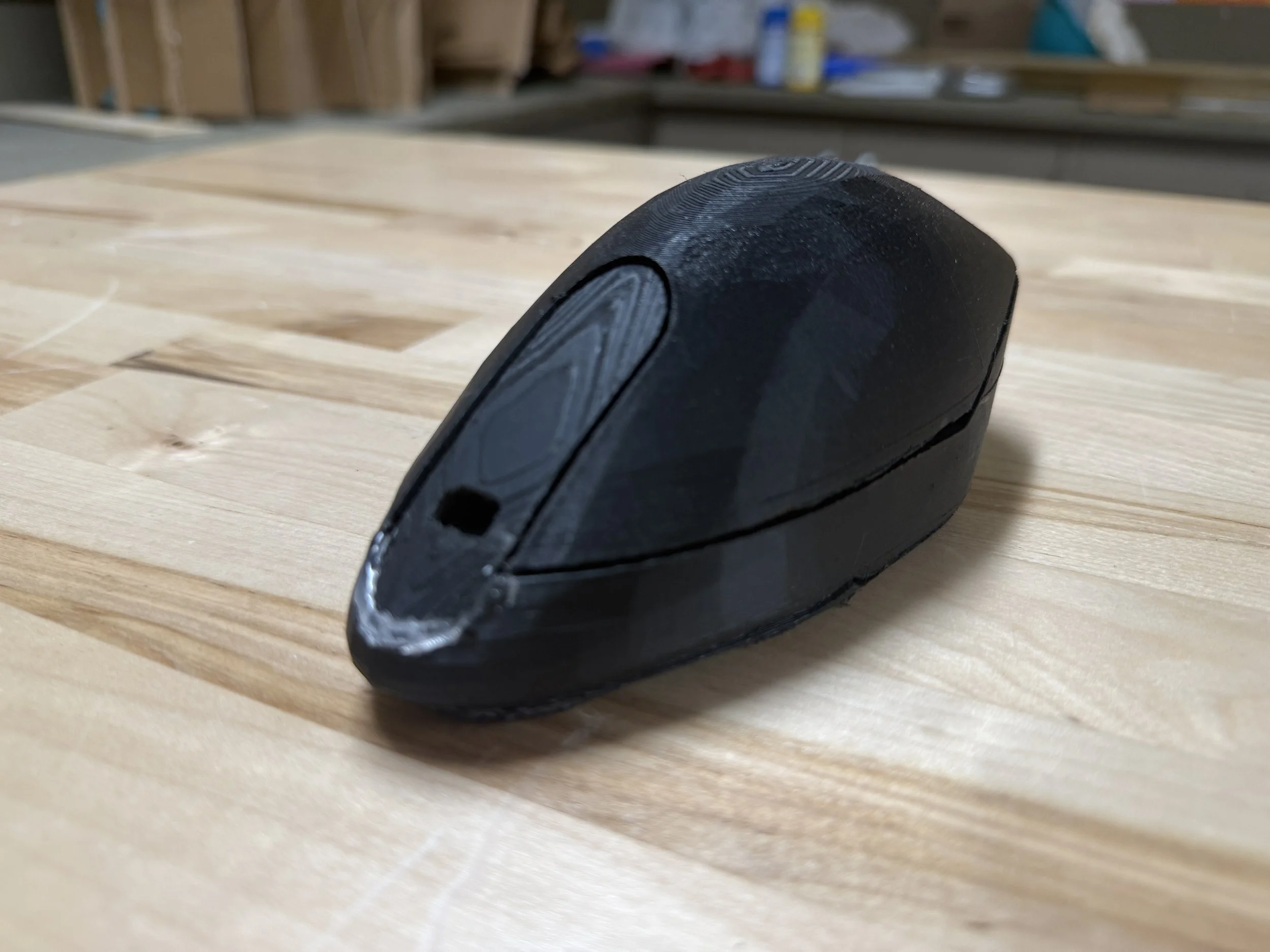
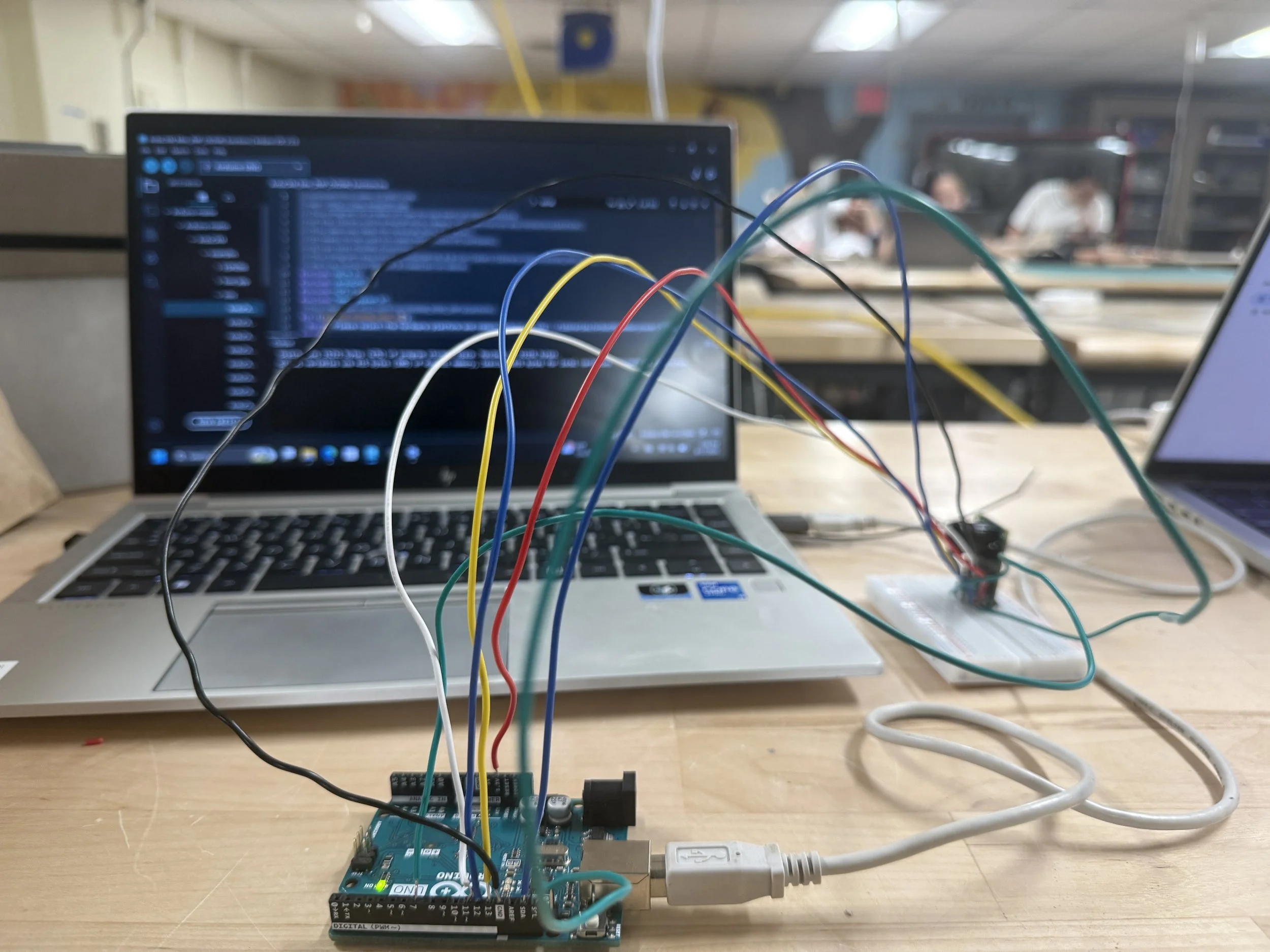
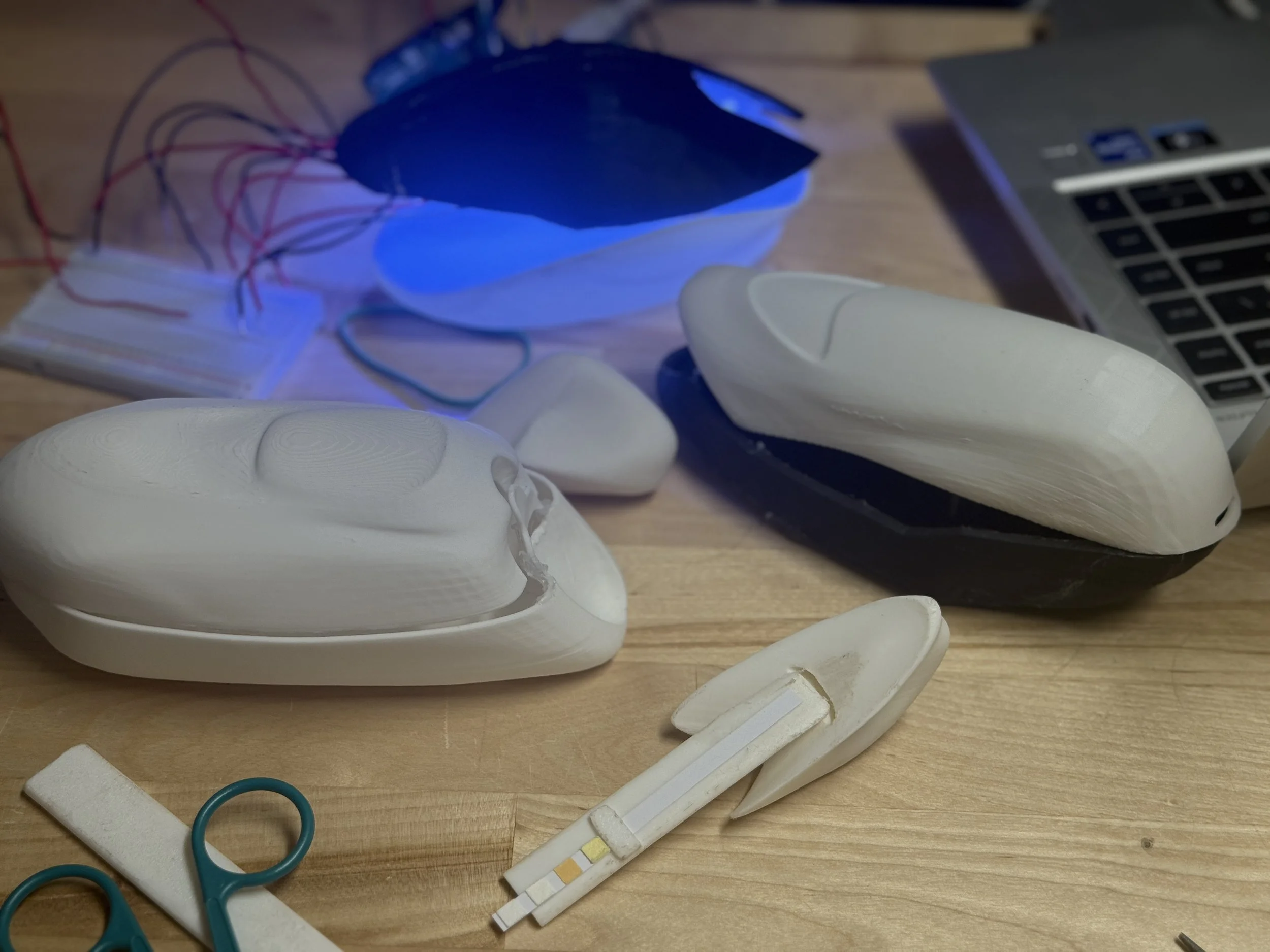
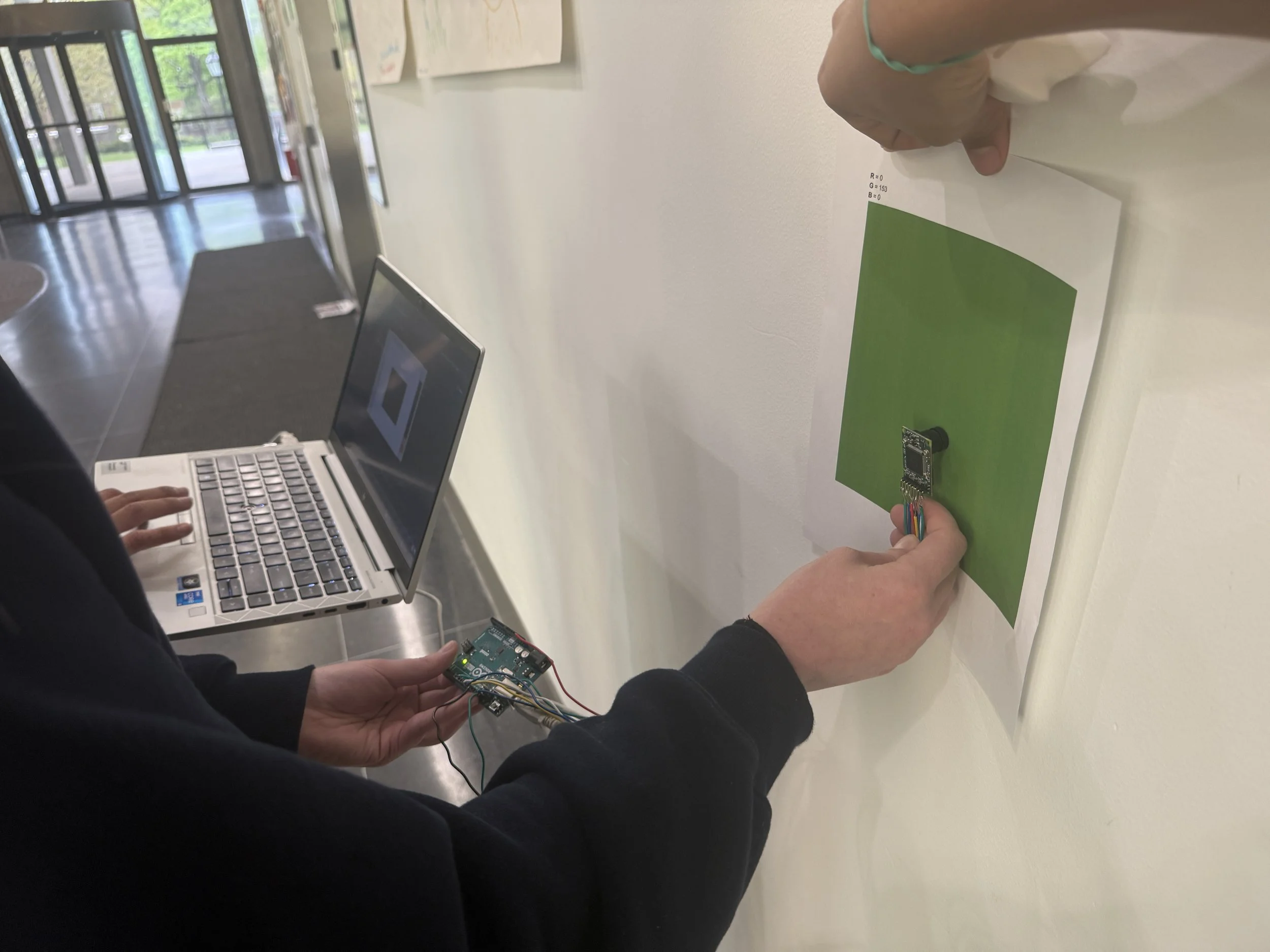
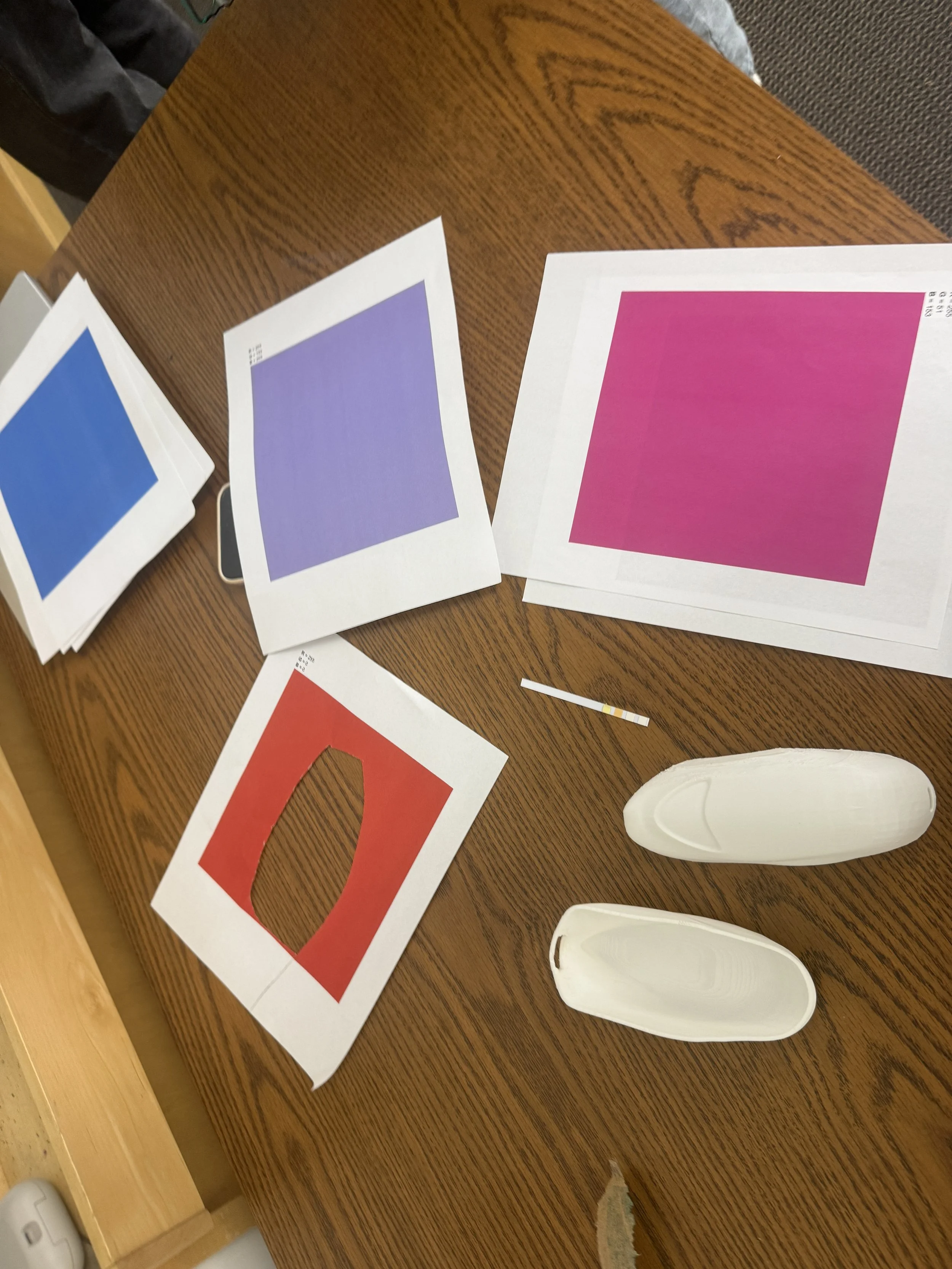
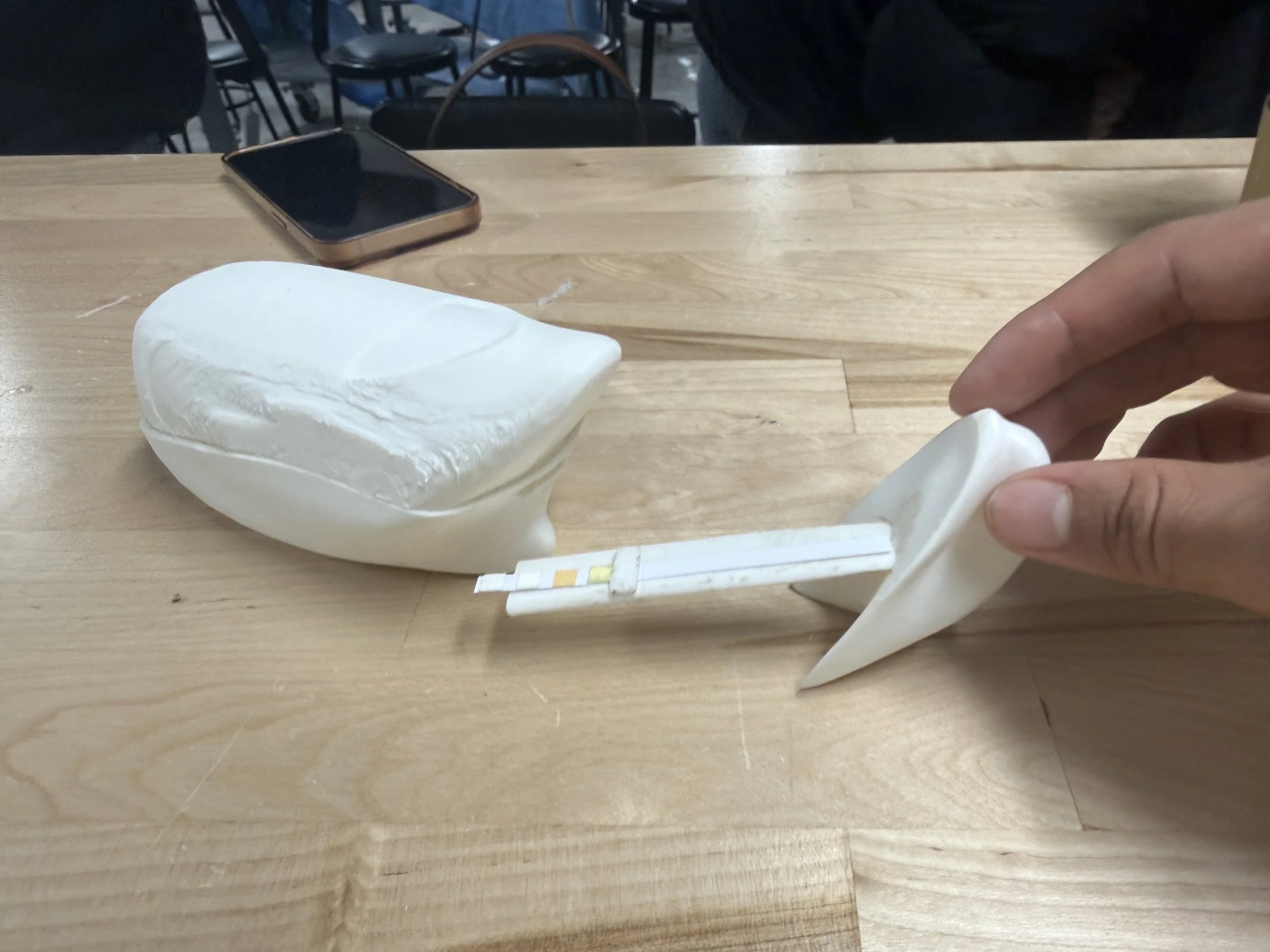
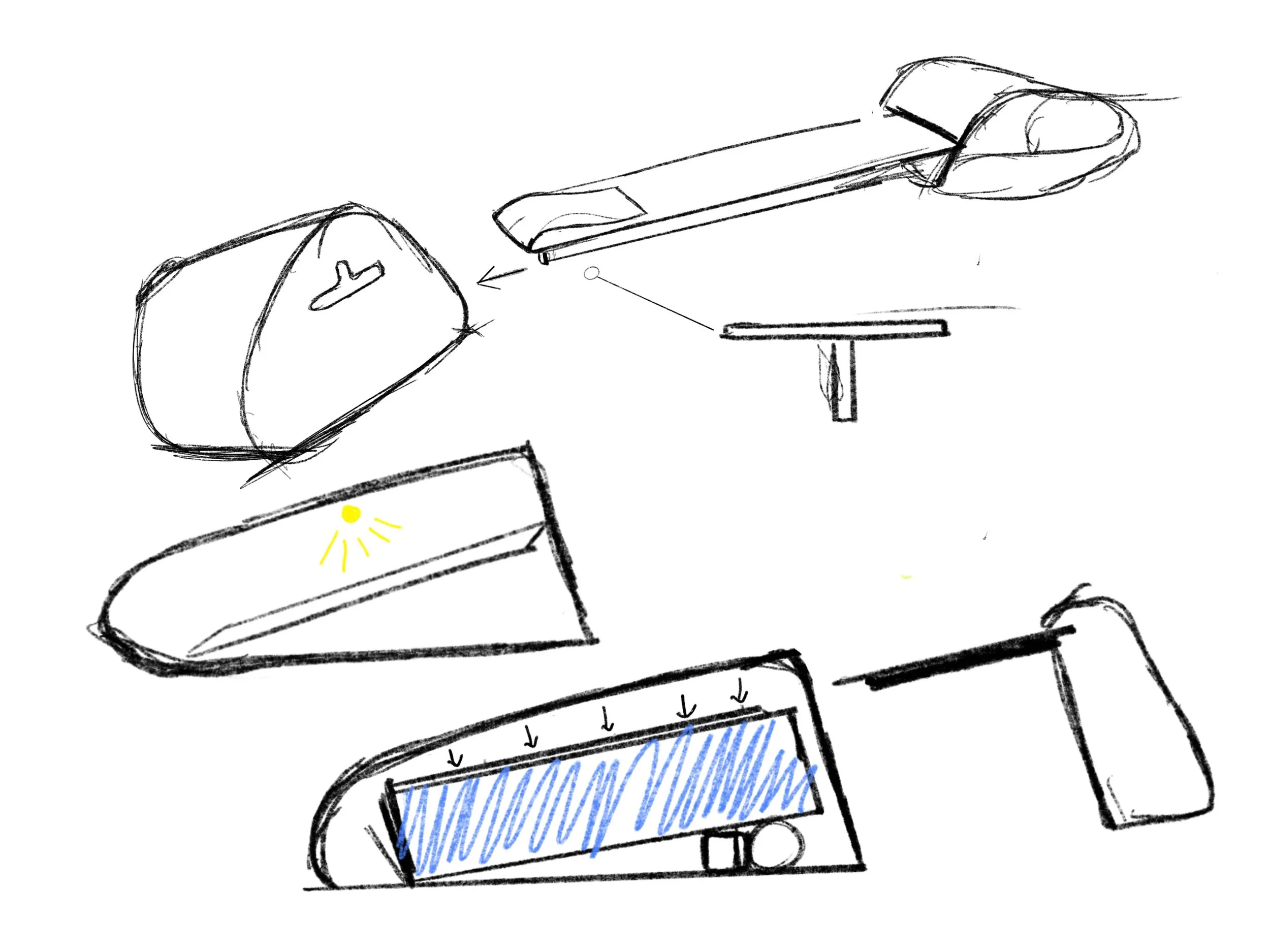
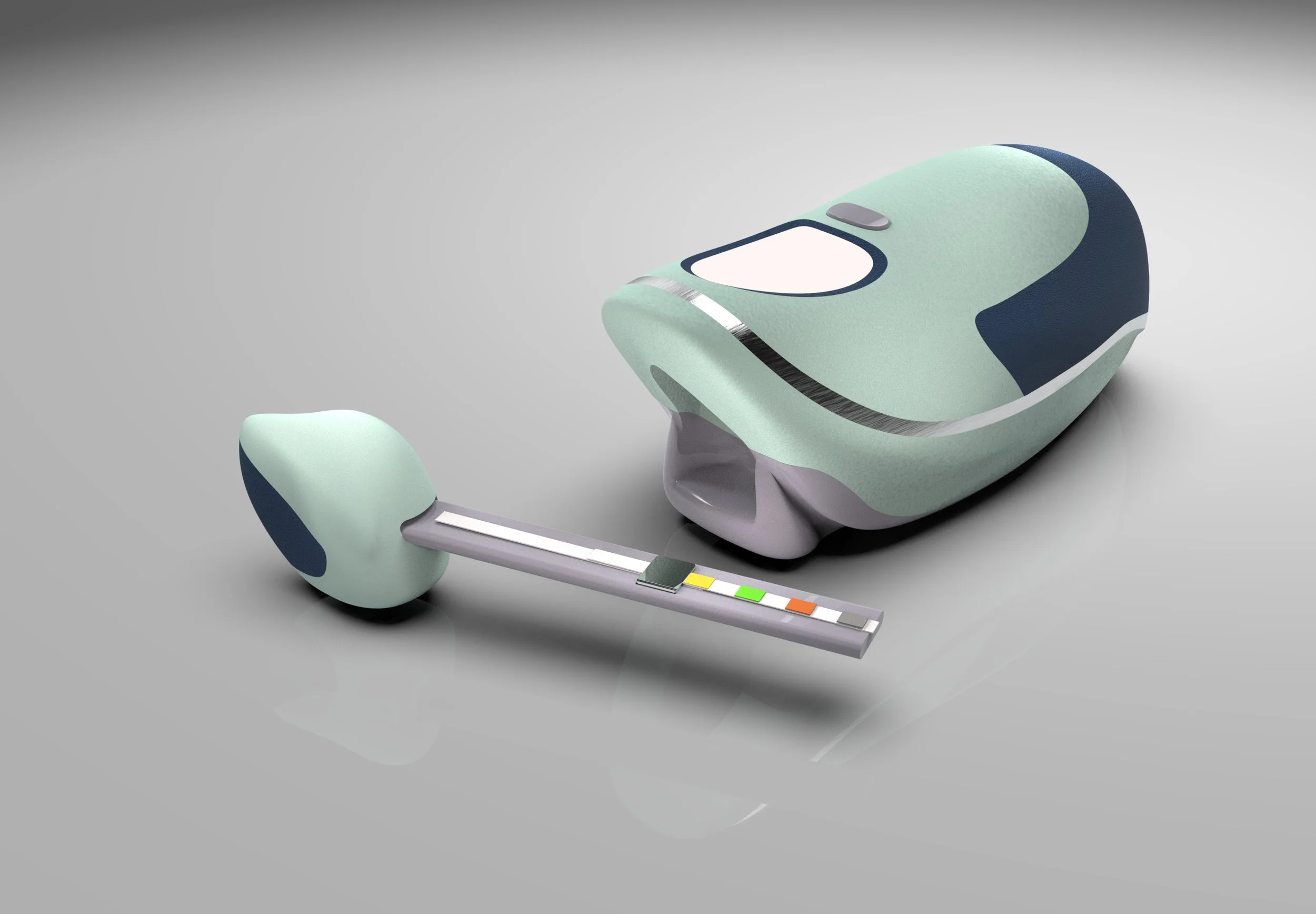
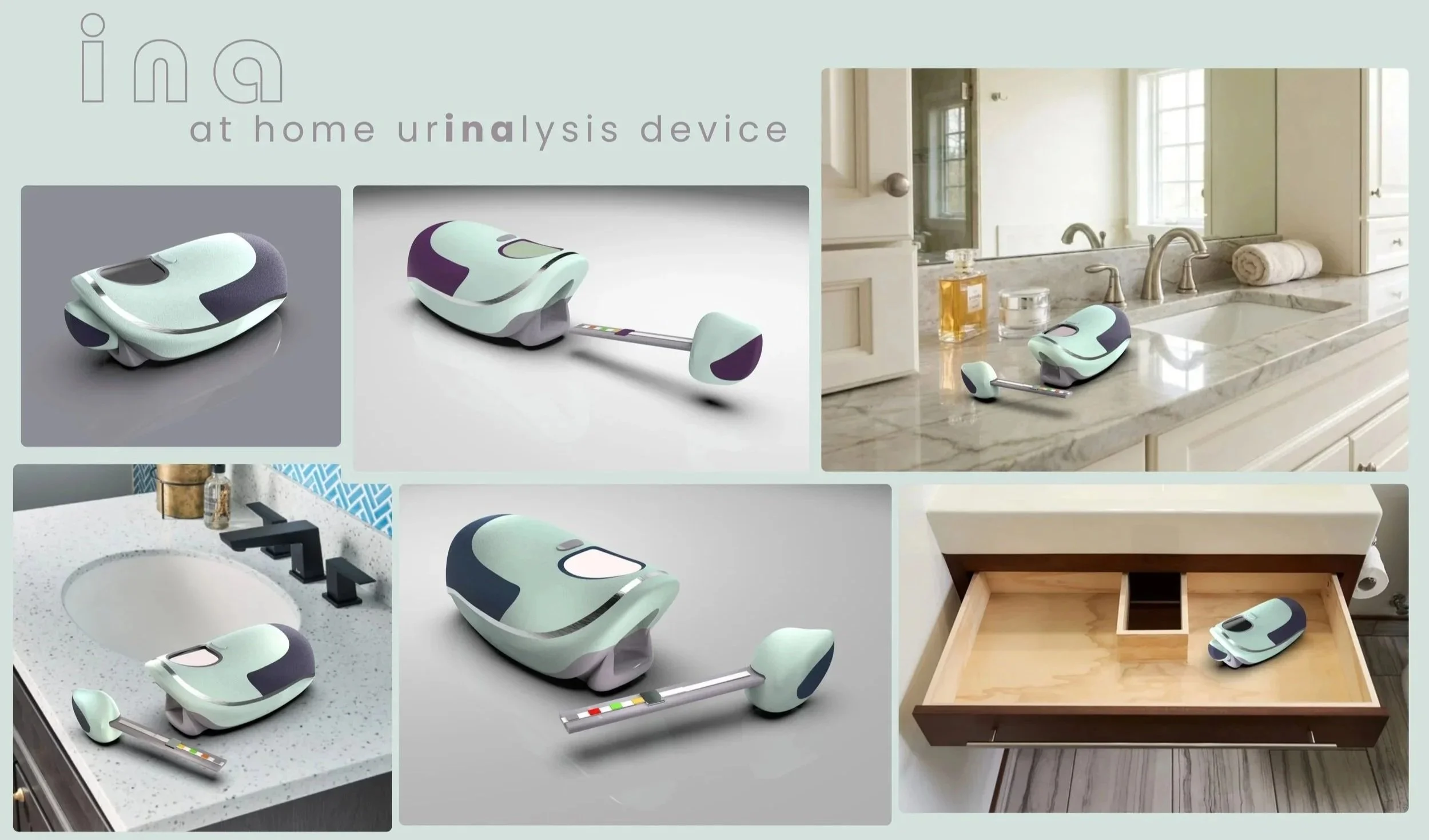
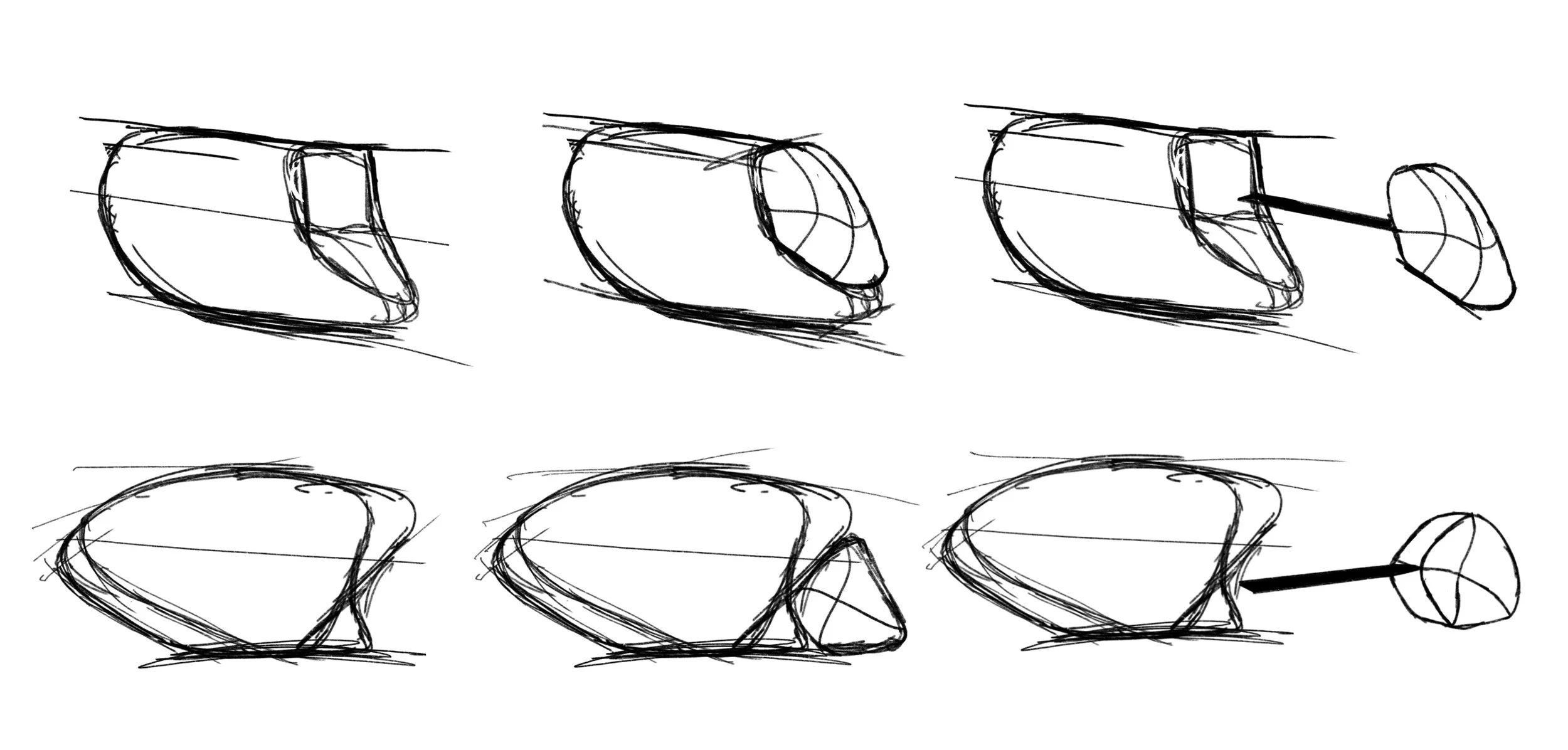
In the second semester, we determined that the camera needs to face down onto the strip, not upwards like a scanner. We trained the colormetric camera to accurately detect color pads. While this new device body simplifies analysis by allowing a dipstick to be easily inserted into the slot, I found it more sanitary and effective to reintroduce the dipstick swab into the final design versus an open slot.

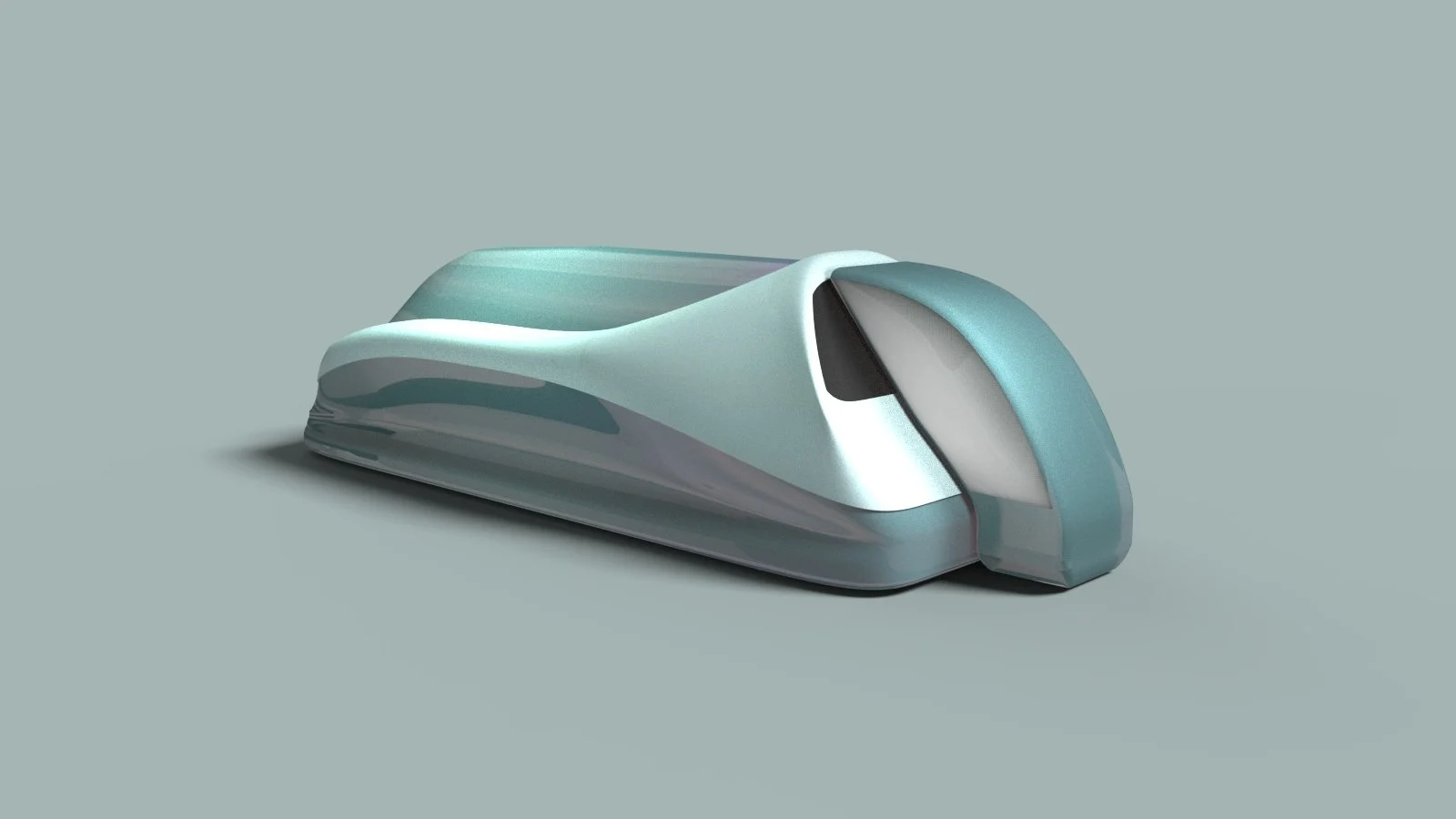
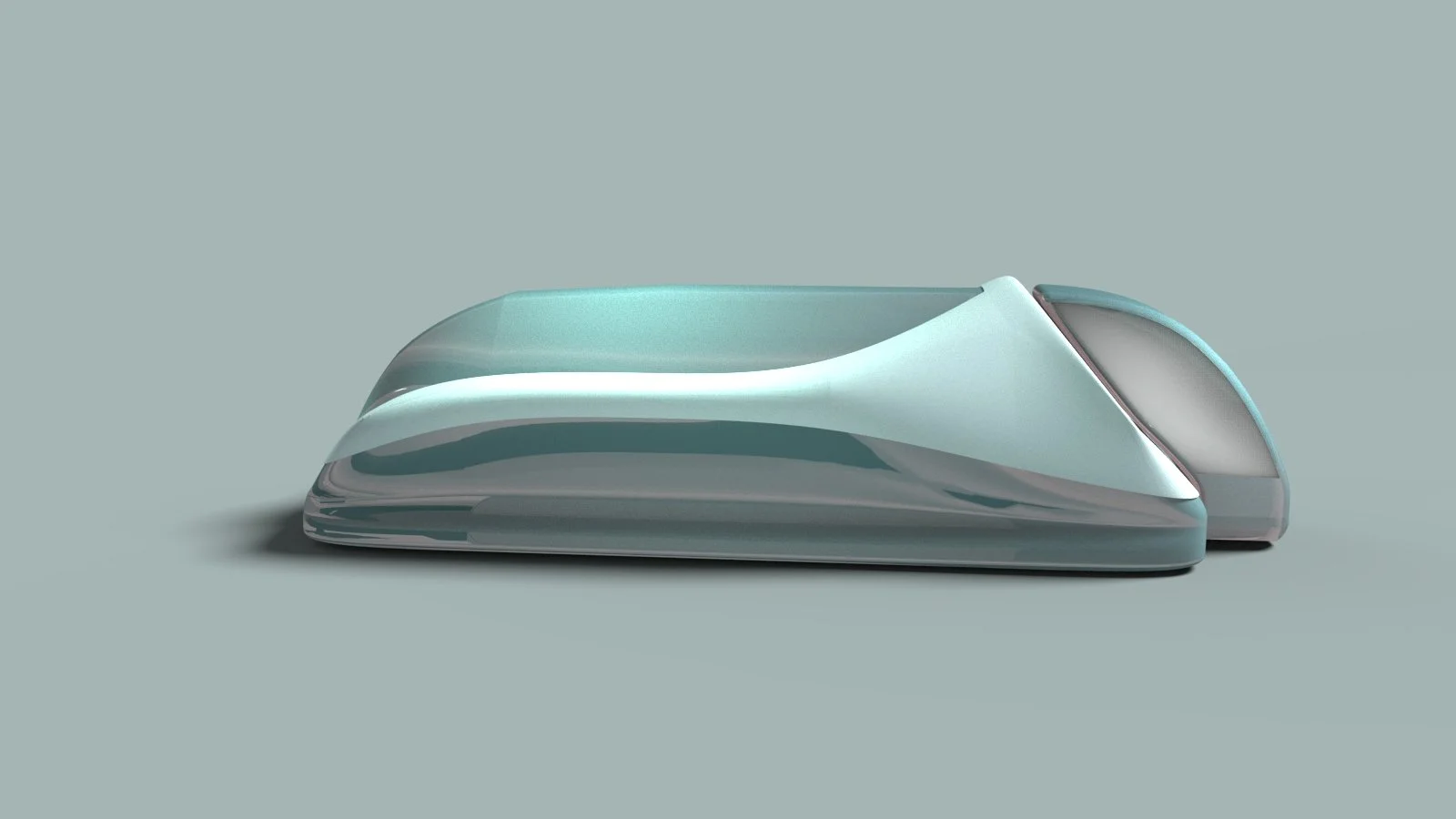
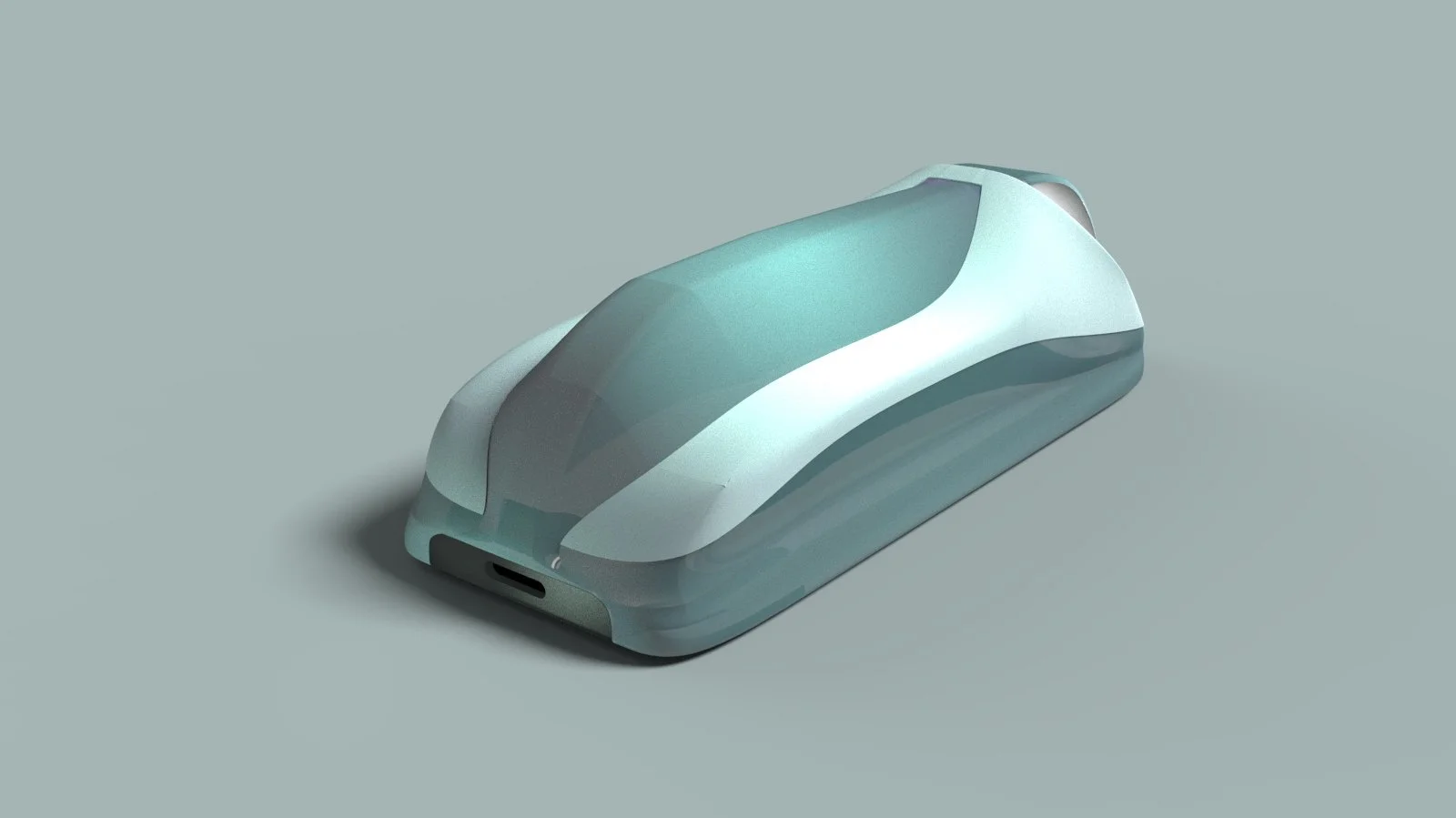
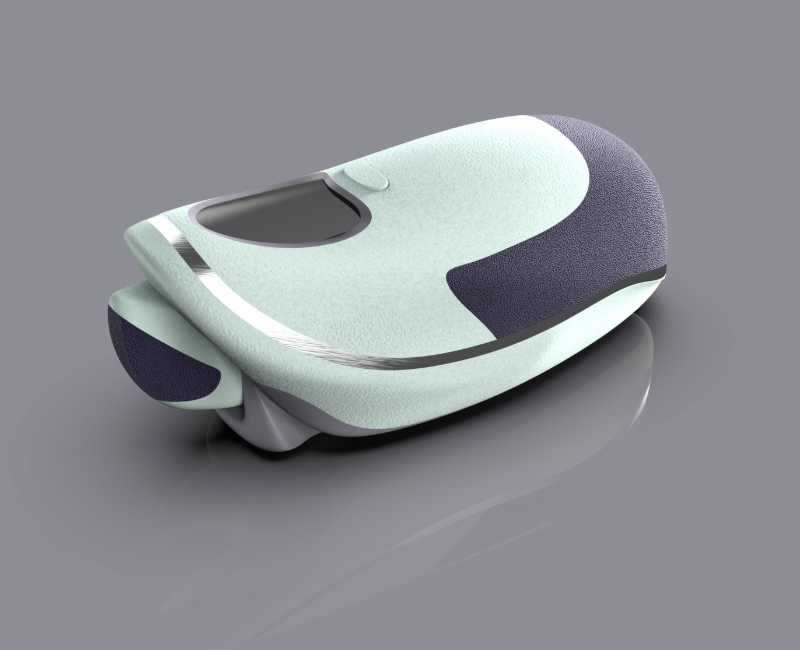
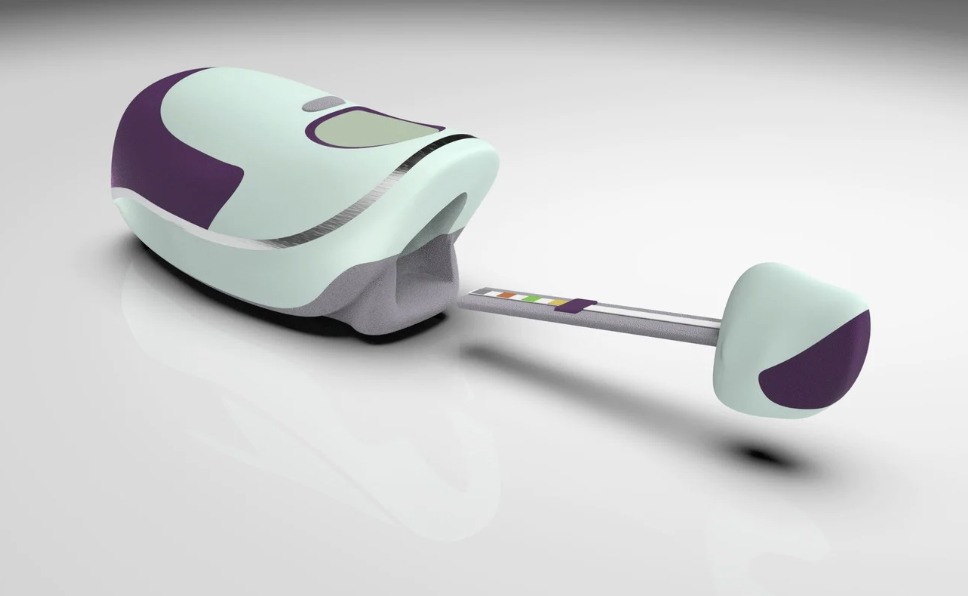
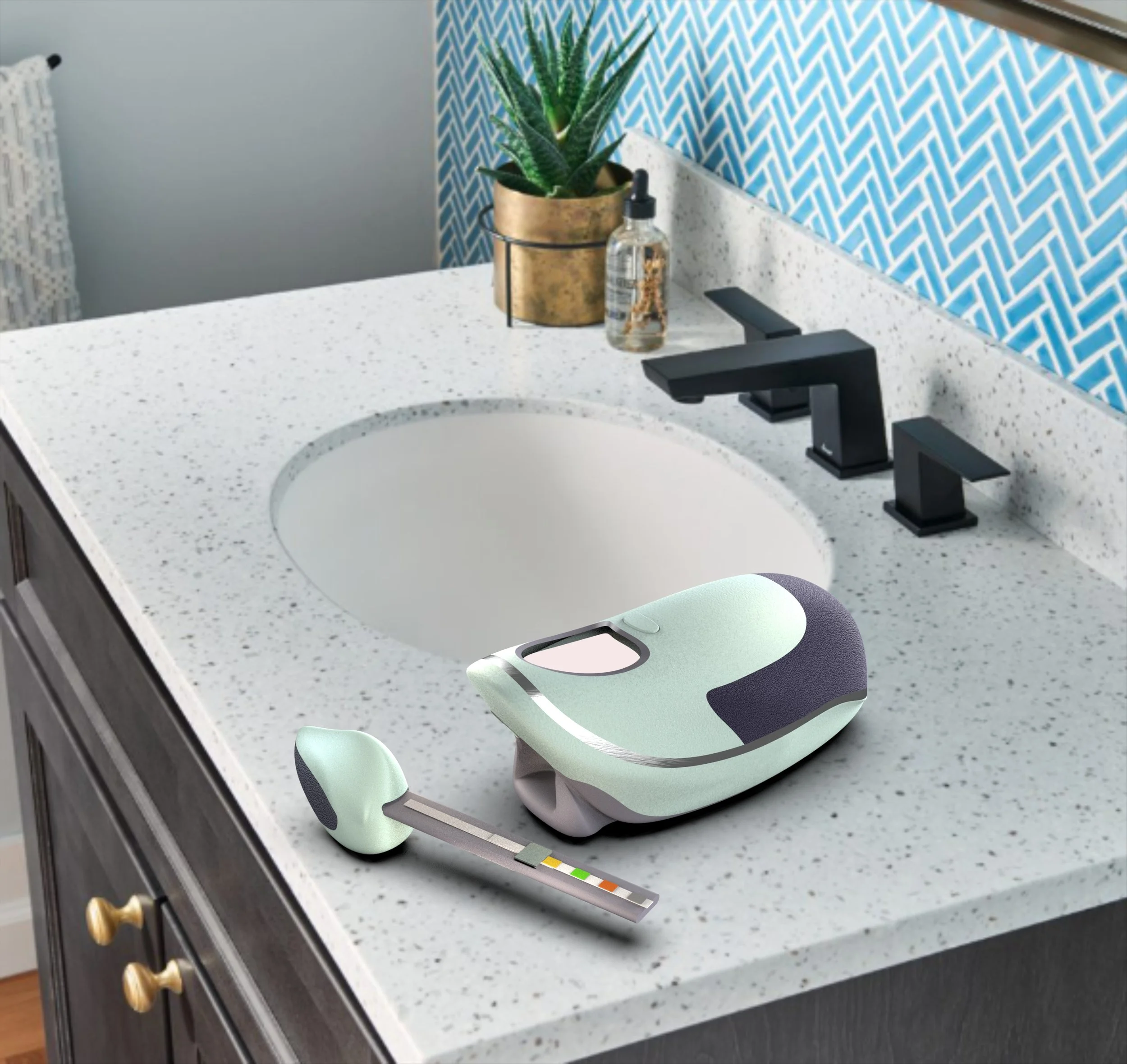
The final design houses our camera, facing down at the dipstick, in a handheld body with padded grips (navy blue components). The swab serves as a tray to secure the stick for sanitary, seamless insertion.

Future work will include an app interface and a dipstick colorimetric catalog. We will train the camera on every major dipstick brand, creating an inventory of color charts; users can then scan their dipstick box, and the device will recognize the brand and calibrate accordingly to its color chart. This eliminates differences across dipstick brands and centralizes analysis, reducing confusion for both at-home and clinical use.
Next
Next

Production Process